Wigan Casino: The Heart of Northern Soul
Pete Longden – Jun 2025
Wigan Casino is enshrined in music history as a legendary nightclub that became the epicenter of the 1970s Northern Soul movement. What began as an old dance hall in a mill town evolved into a cultural phenomenon. This article delves deeper into the story of Wigan Casino – from the building’s early years and the electric all-nighters of its Northern Soul heyday, to personal memories of those who danced til dawn, the DJs and records that defined an era, and the lasting legacy that continues to inspire new generations.
Early History of the Building and Club (Pre-Northern Soul)
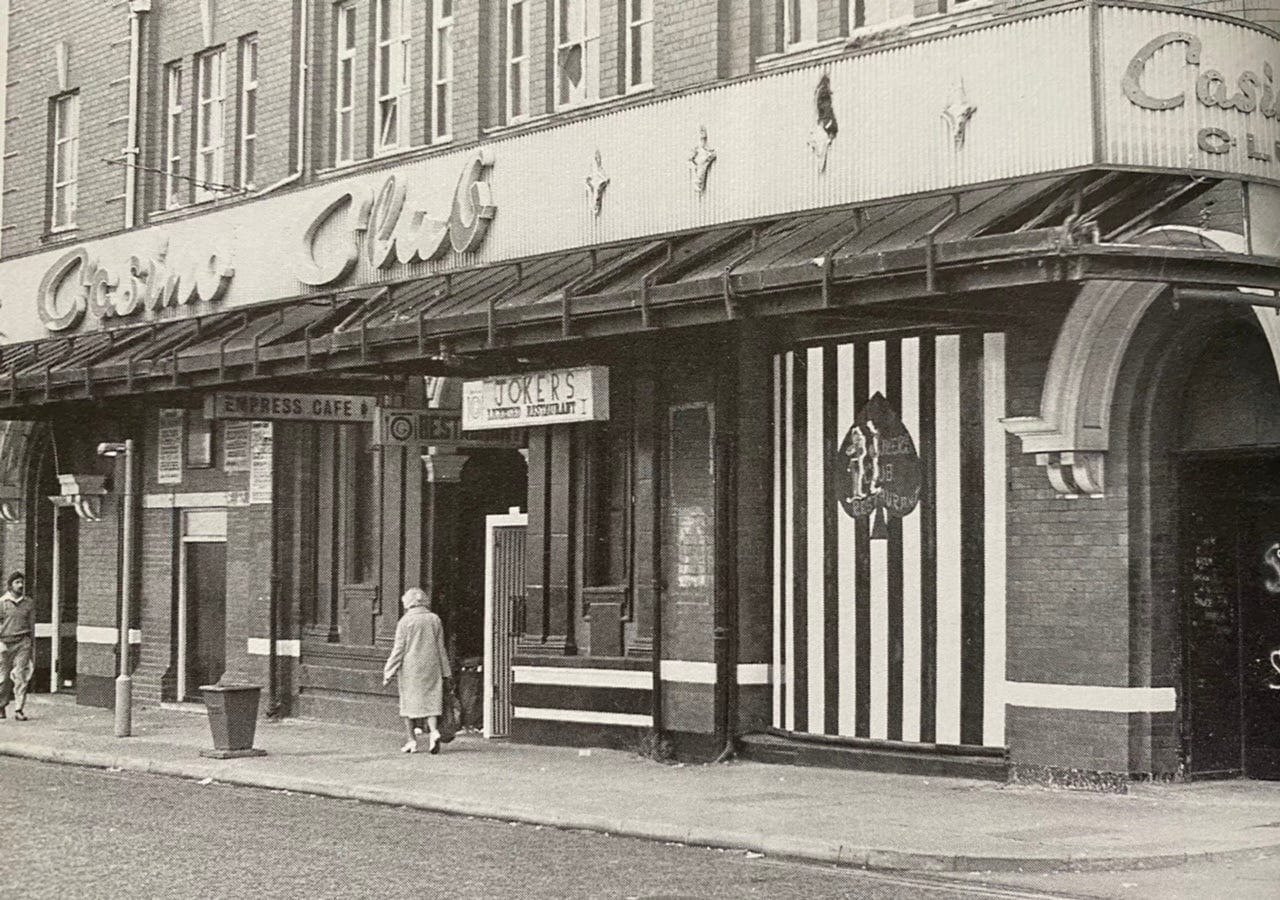
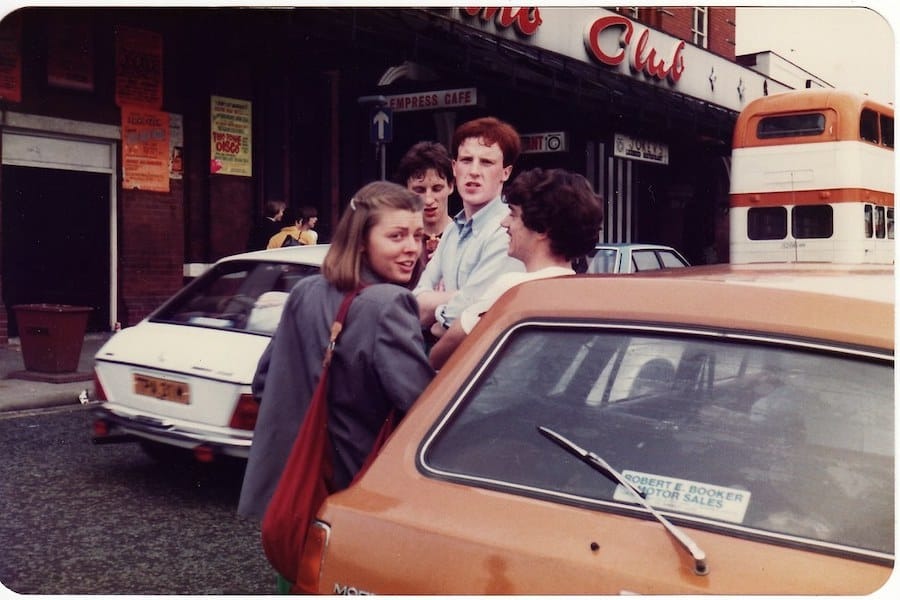
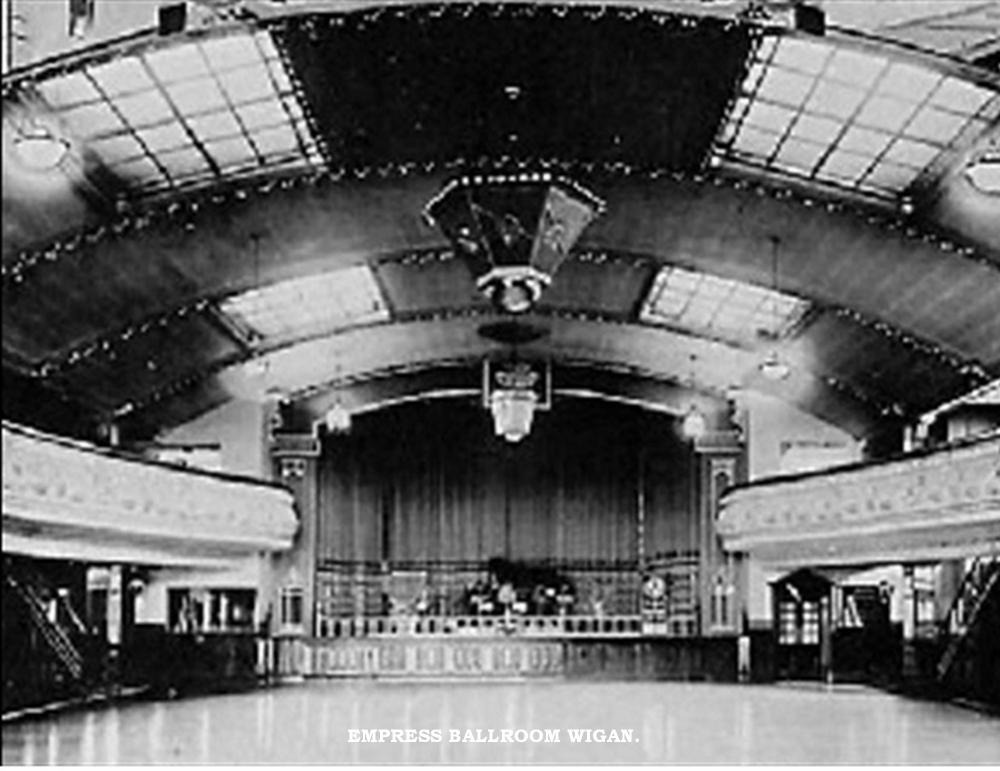
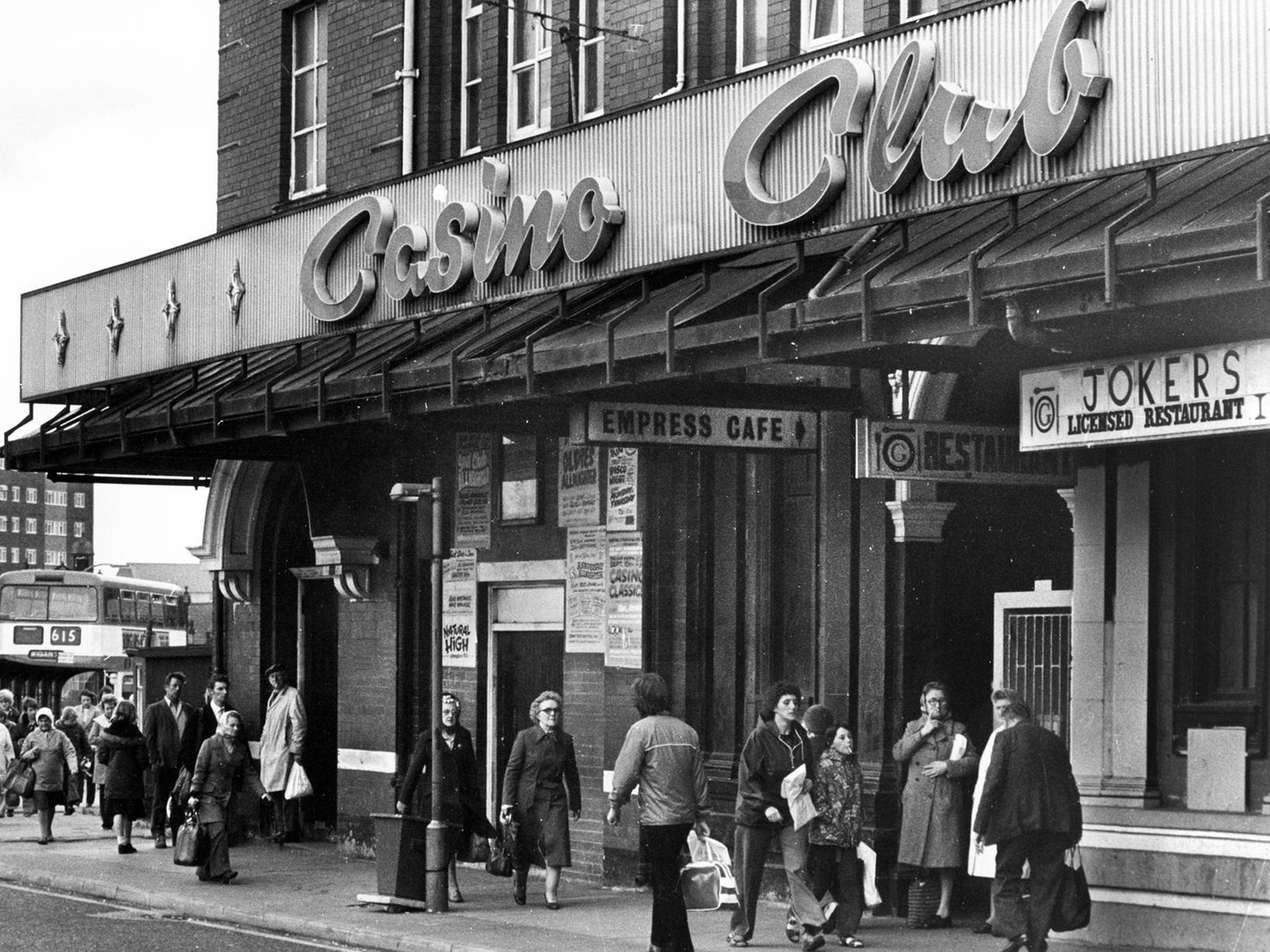
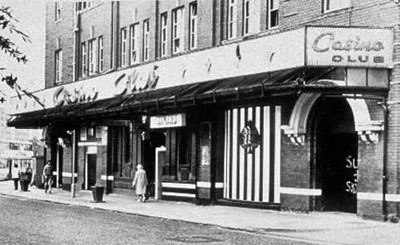
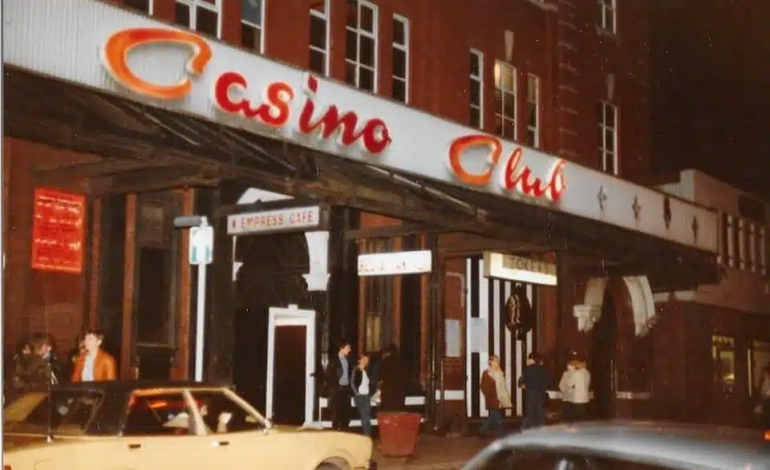
Wigan Casino wasn’t always a temple of soul. The building started life as the Empress Ballroom, opened in 1916 by the Atherton family 1 during World War I. It quickly became a popular venue for dances and big band concerts. In 1924, a second dance hall called the Palais de Dance was added to the complex, allowing two events to run simultaneously . For decades, the Empress thrived as a hub
of entertainment in Wigan – hosting ballroom dances, tea parties, and later rock’n’roll shows. By the early 1960s, its stage had welcomed some of the era’s biggest acts; The Rolling Stones and The Beatles both played Wigan, appearing at venues like the Empress Ballroom and the nearby ABC
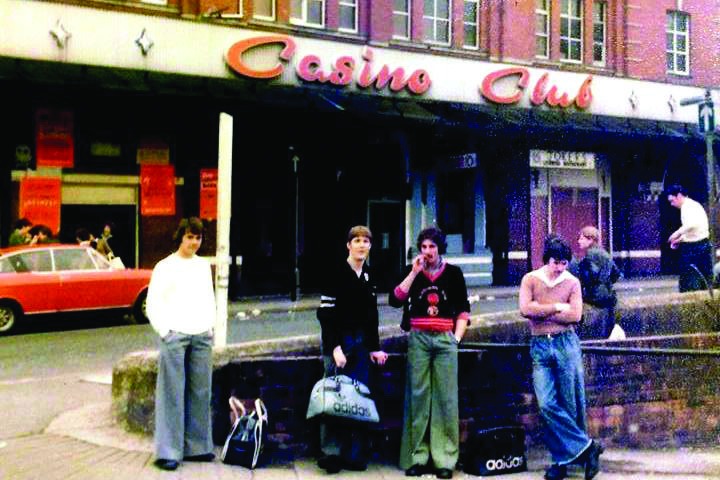
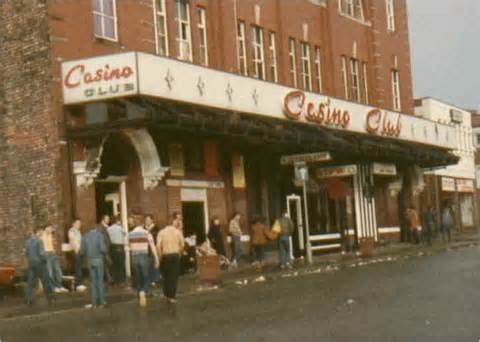
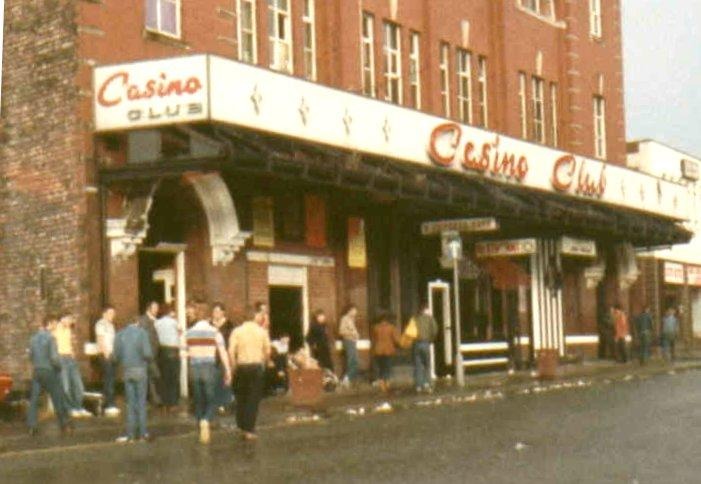
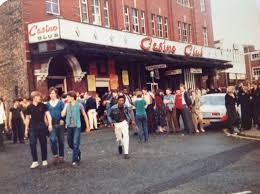
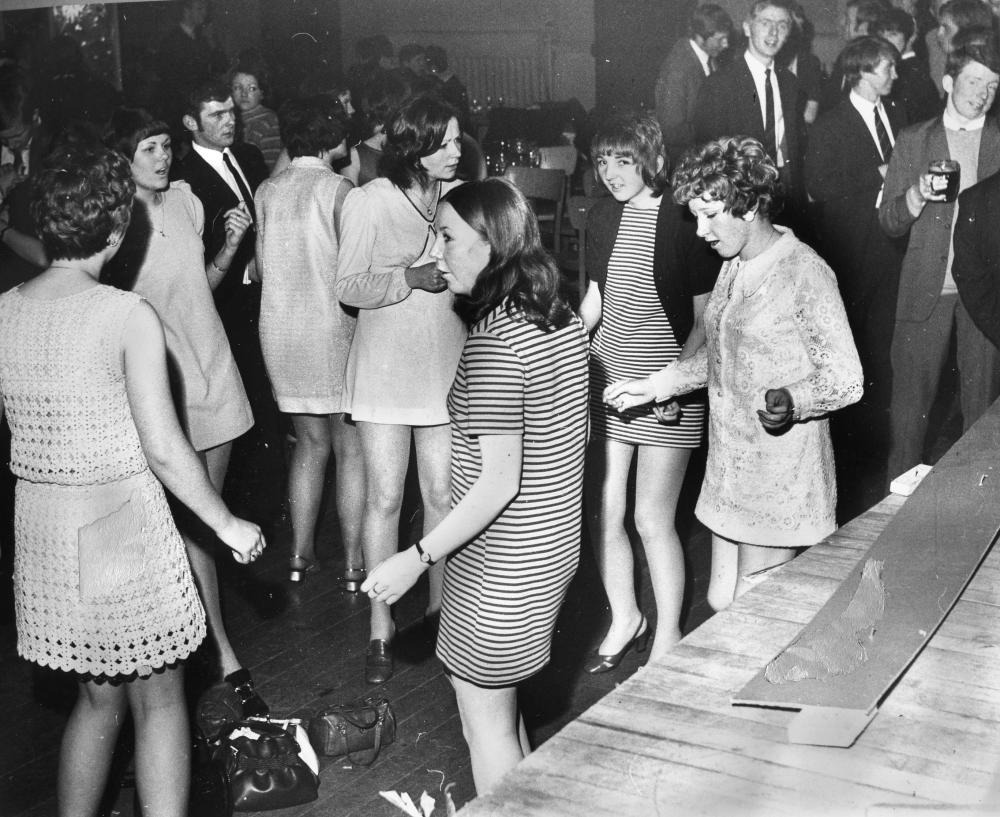
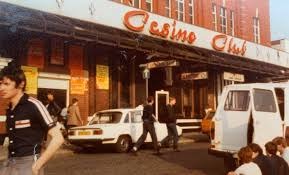
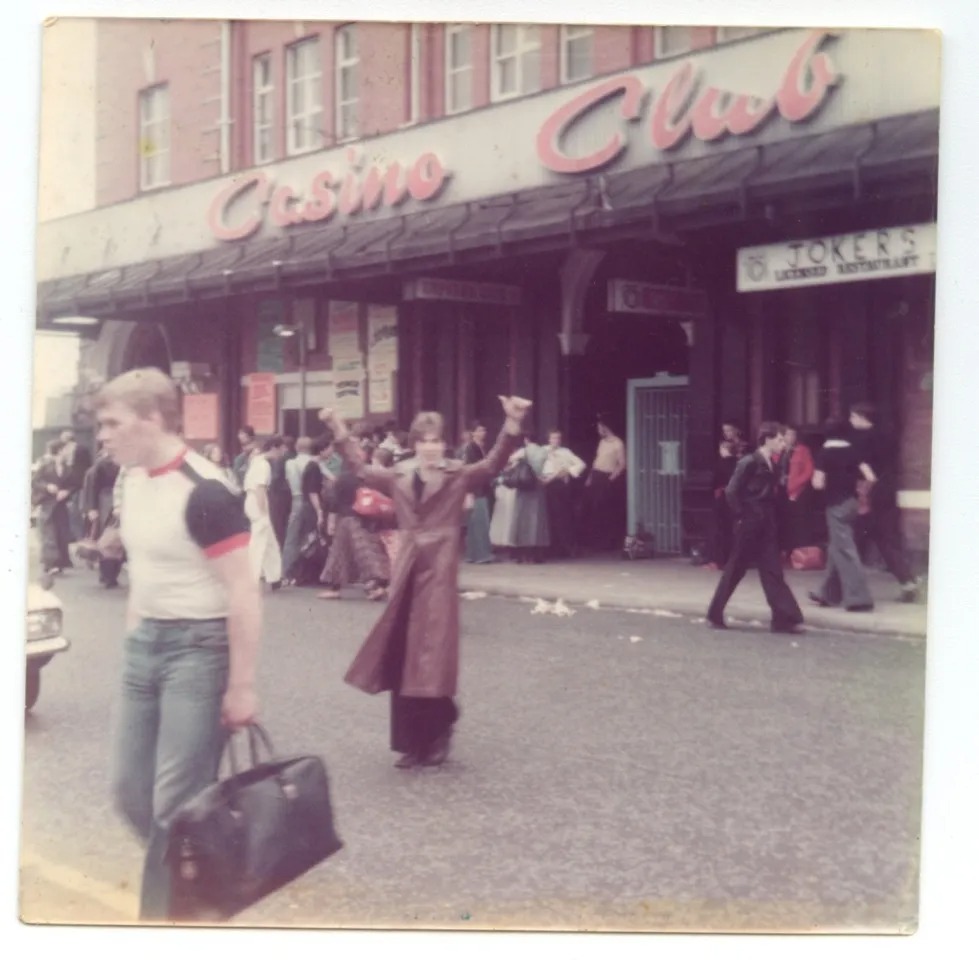
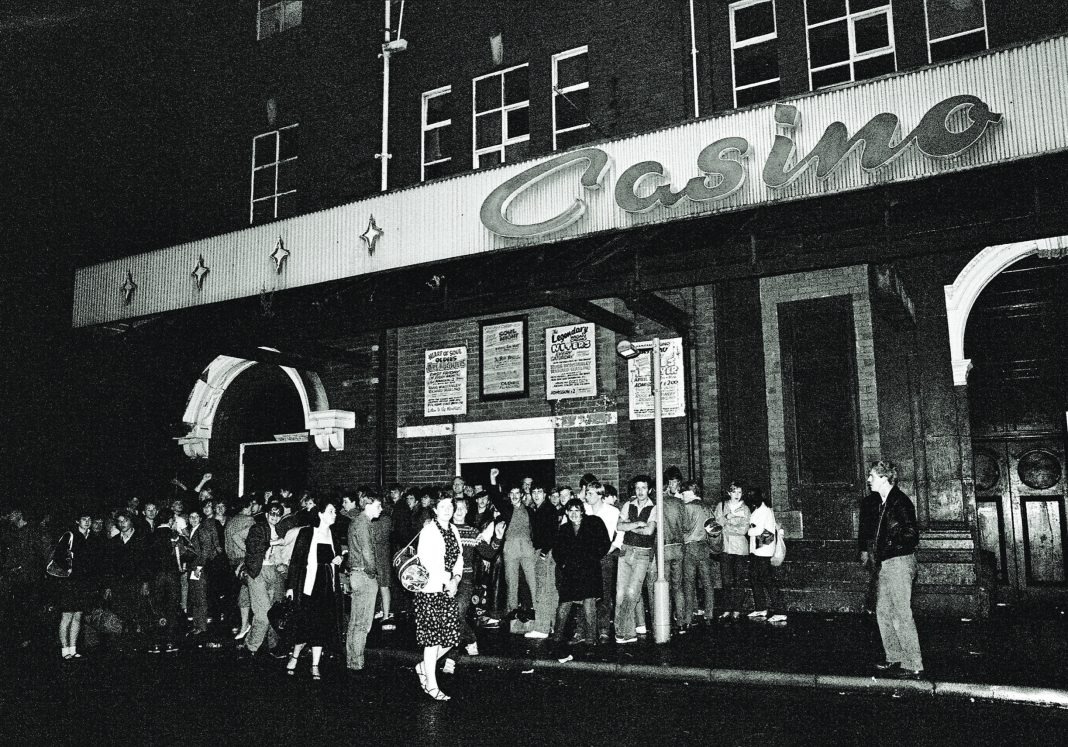
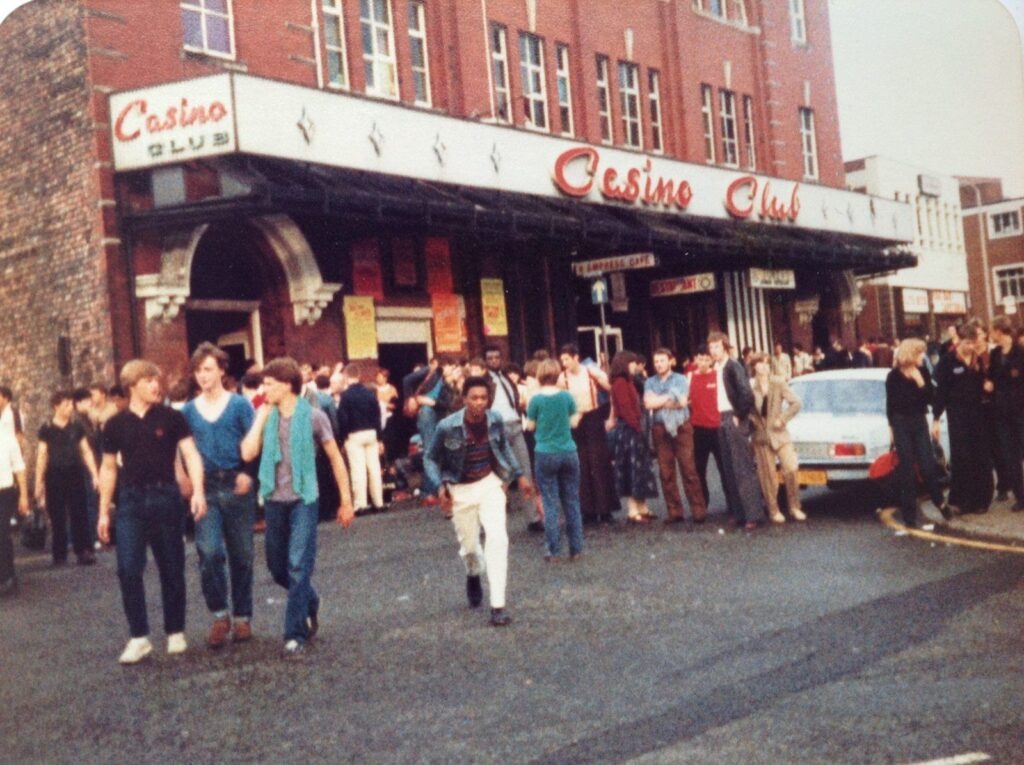
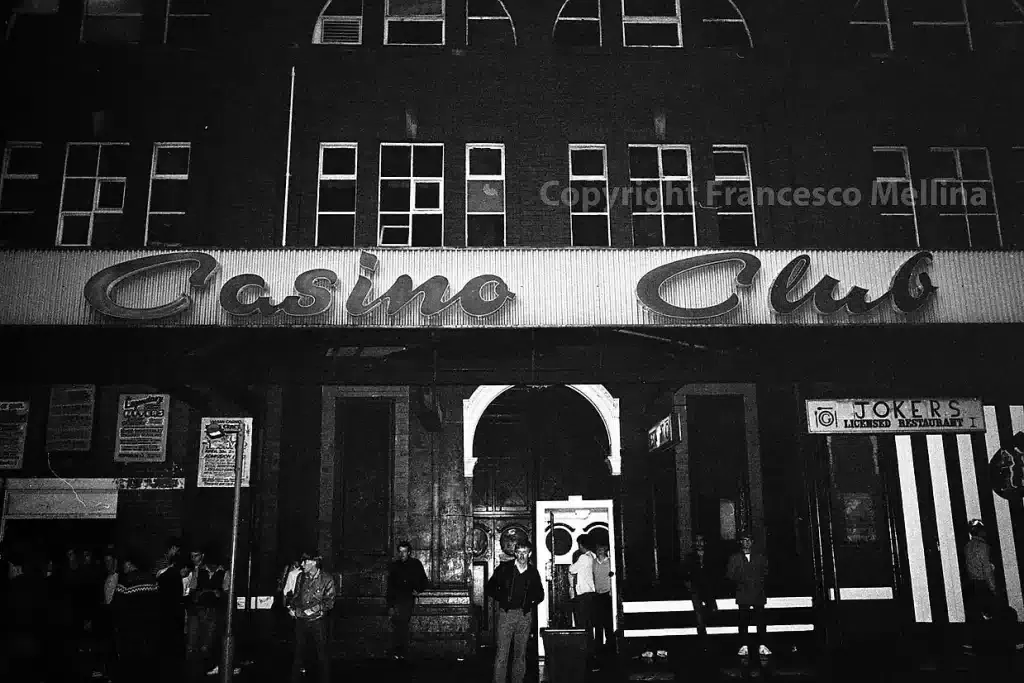
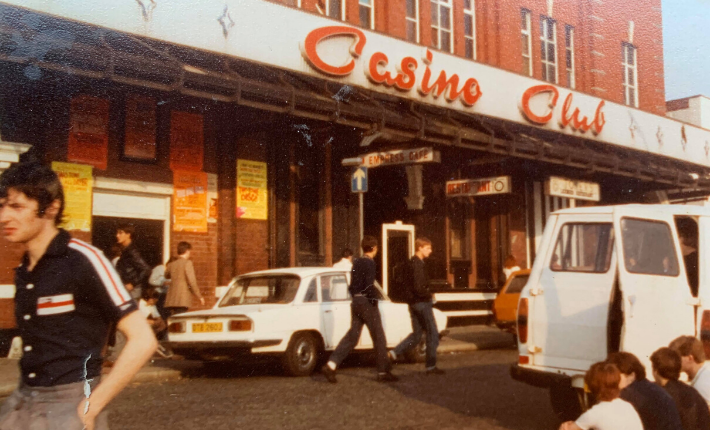
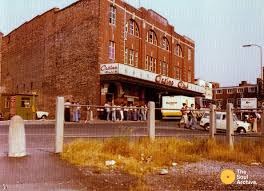
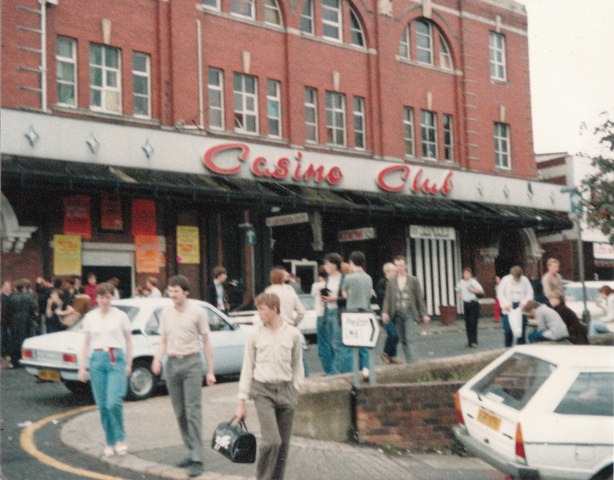
In 1965 the Empress was revamped and rebranded as “The Casino Club,” a modern nightclub venue. It opened on 27 August 1965 – with Welsh songstress Shirley Bassey topping the bill on opening night. During the late ‘60s the Casino Club hosted a variety of events, from dance nights to live music and even bingo. However, by the early 1970s the grand old ballroom had begun to fade in popularity. Wigan’s town council had earmarked the aging building for eventual demolition as far back as the mid-60’s. In an ironic twist of fate, it was this very decline that set the stage for Wigan Casino’s legendary chapter. A loophole in licensing laws at the time allowed venues with no alcohol license to stay open through the night, hosting “all-nighter” dance sessions 4. The mostly dry Casino Club was perfectly positioned to take advantage of this. What’s more, Britain’s nascent Northern Soul scene was in need of a new home – the famous Twisted Wheel club in Manchester had been shut down by police in 1971, and the Golden Torch in Stoke-on-Trent (the next major venue) had closed in early 1973.
Sensing an opportunity, local DJs approached the Casino’s leaseholder, Gerry Marshall, with the idea of running all-night soul dances. After some negotiation, Mike Walker, the Casino’s manager, agreed – and he brought in a young Wigan DJ, Russ Winstanley, who had been spinning soul records at a rugby club, to helm the new venture .
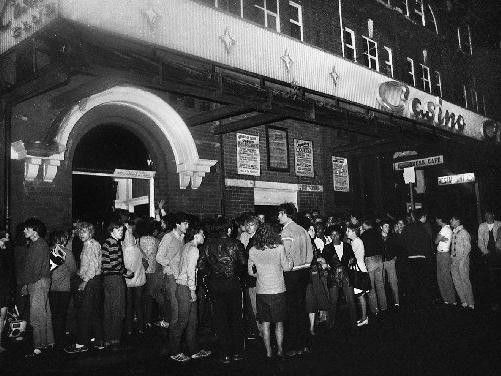
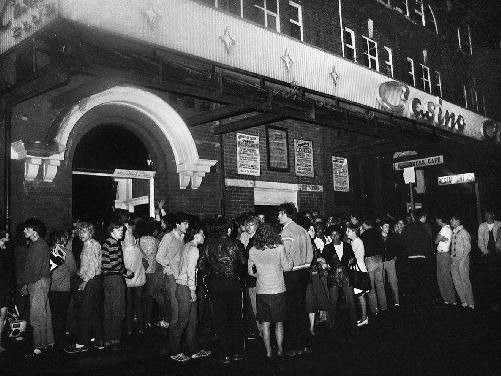
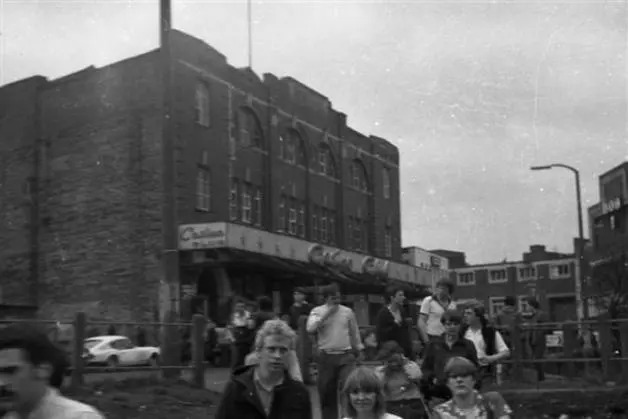
In the early hours of Sunday, 23 September 1973, the doors of Wigan Casino opened for its first Northern Soul All-Nighter 5. “At 2am, Mike Walker (god rest his soul) opened the doors on Station Road,” recalled one attendee, Tony G, who had traveled from nearby Manchester. The queue of eager soul fans stretched down the street, with people “from as far north as Aberdeen and south of London” converging on Wigan. Entry that night cost just 75 pence – and for the crowd that poured inside, it was worth every penny. “Northern soul had arrived on my doorstep,” Tony wrote. “That night will forever live in my memory.”
A Night at the Casino: The Dancefloor and Atmosphere
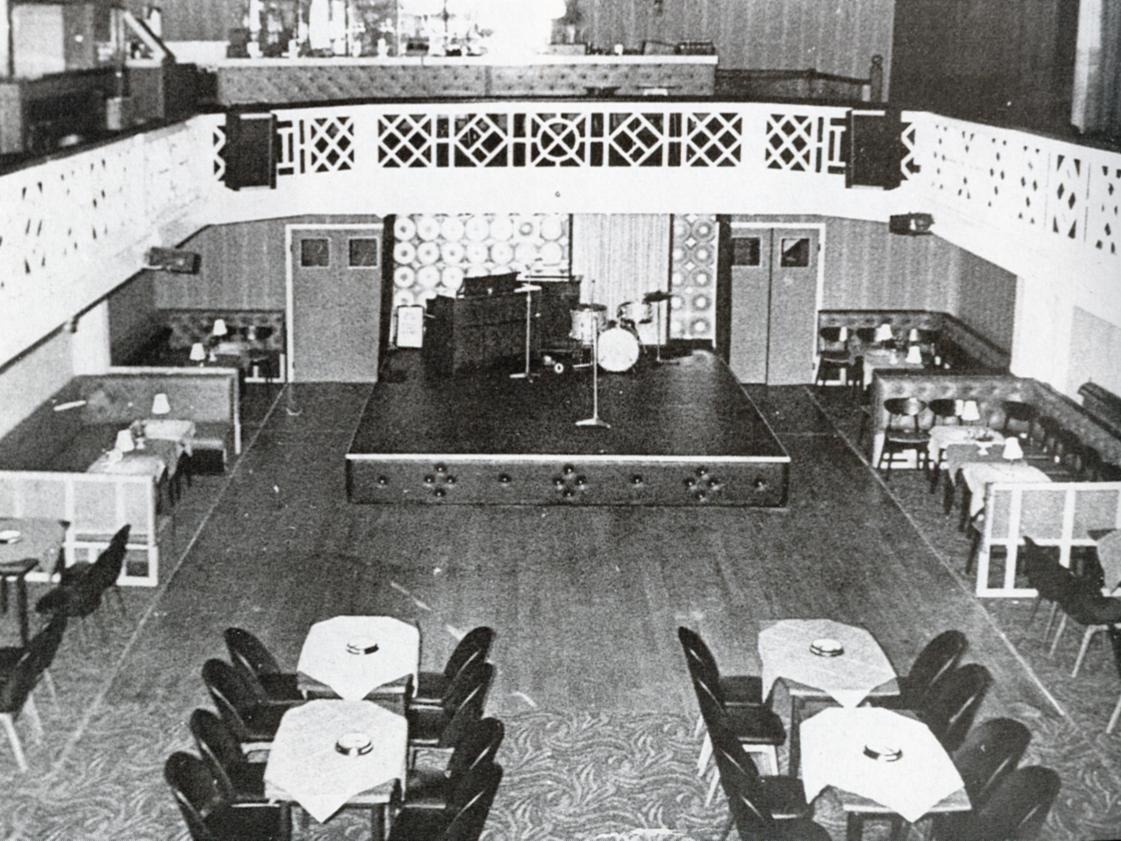
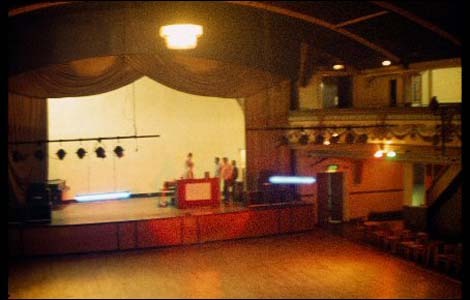
Walking into a Wigan Casino all-nighter was entering another world. The venue itself had a slightly shabby, seen-better-days appearance – but it proved to be ideal for the needs of Northern Soul. As a 1970s article later noted, “as a building the Casino was well past its heyday, but with the best-kept dancefloor that the circuit had seen – and with superb acoustics to match – it could have been tailor-made for Northern Soul.”
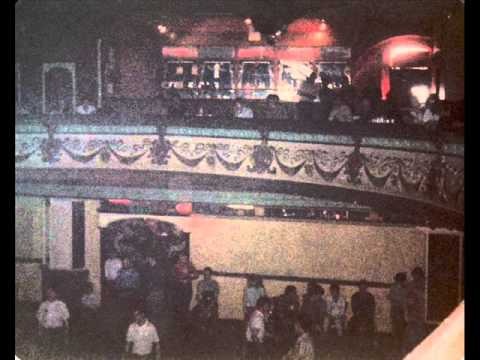
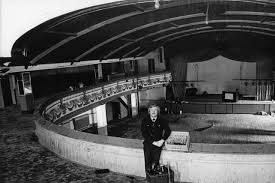
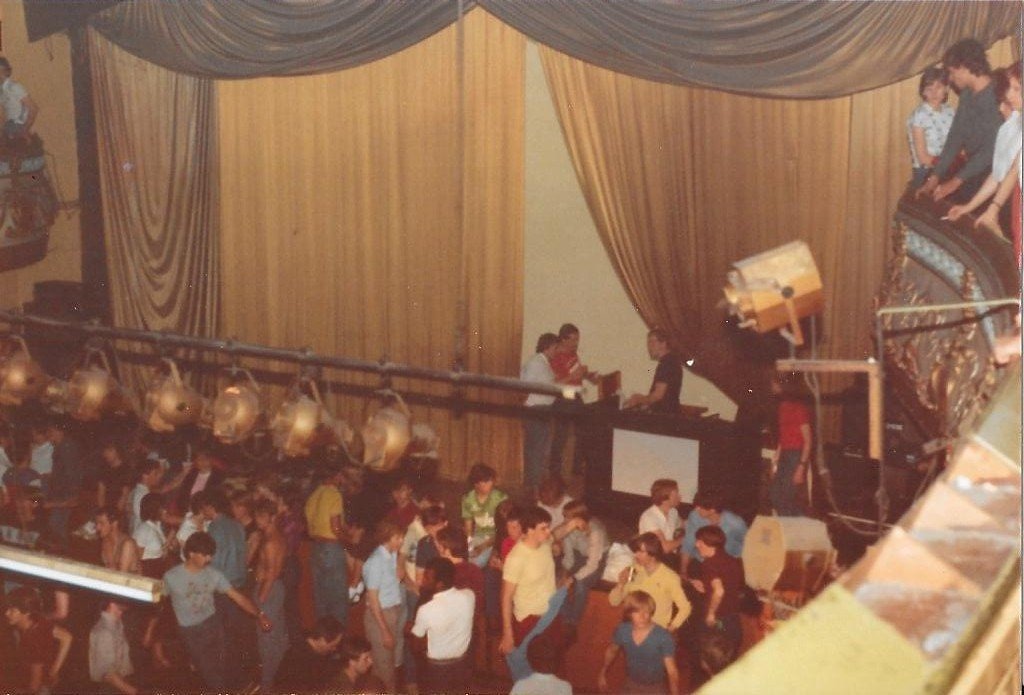
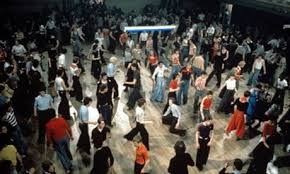
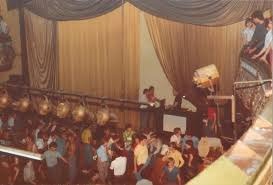
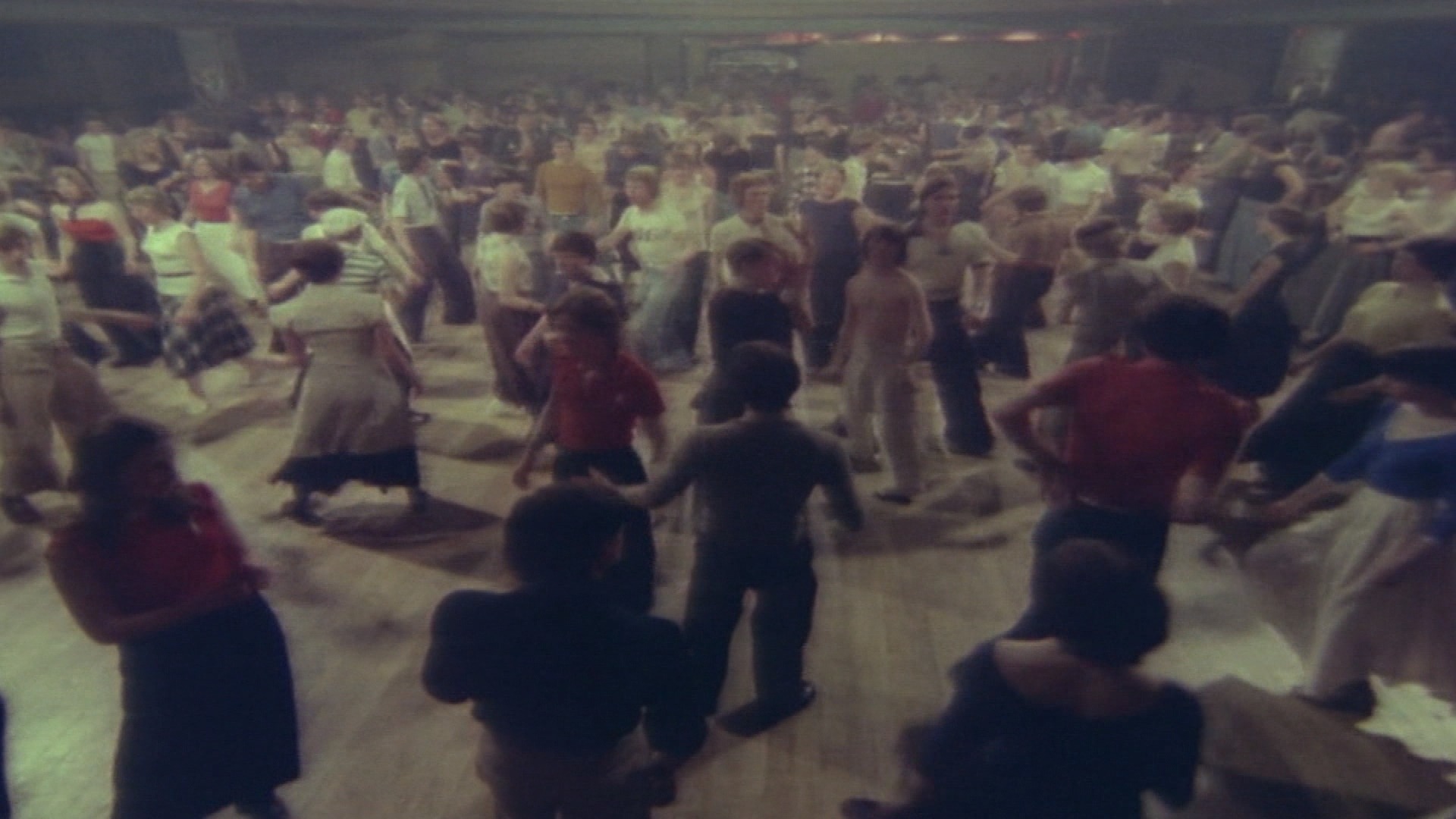
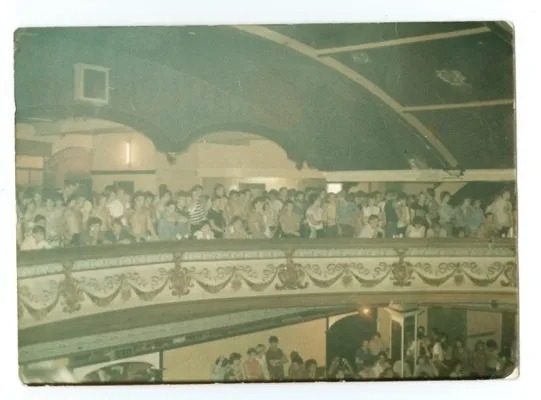
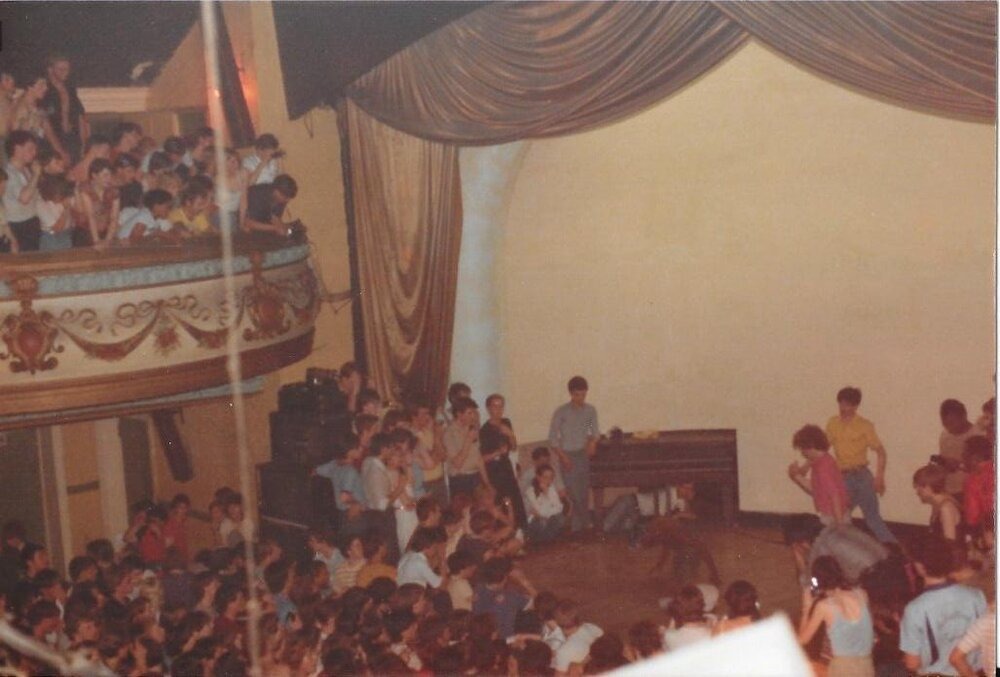
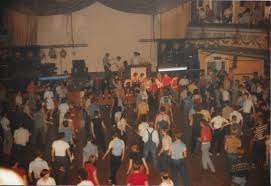
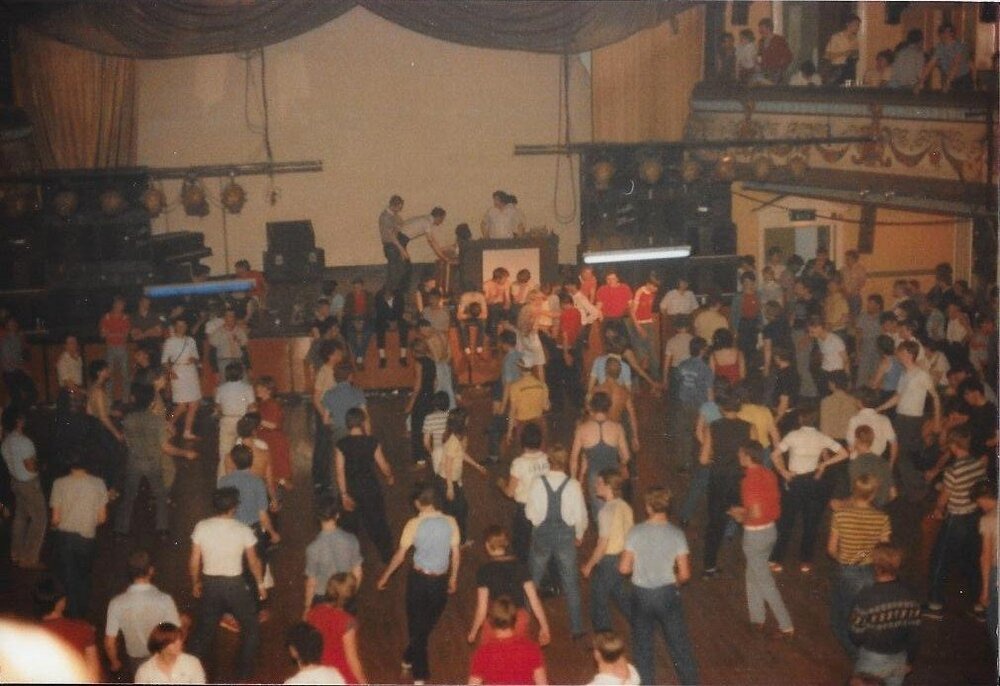
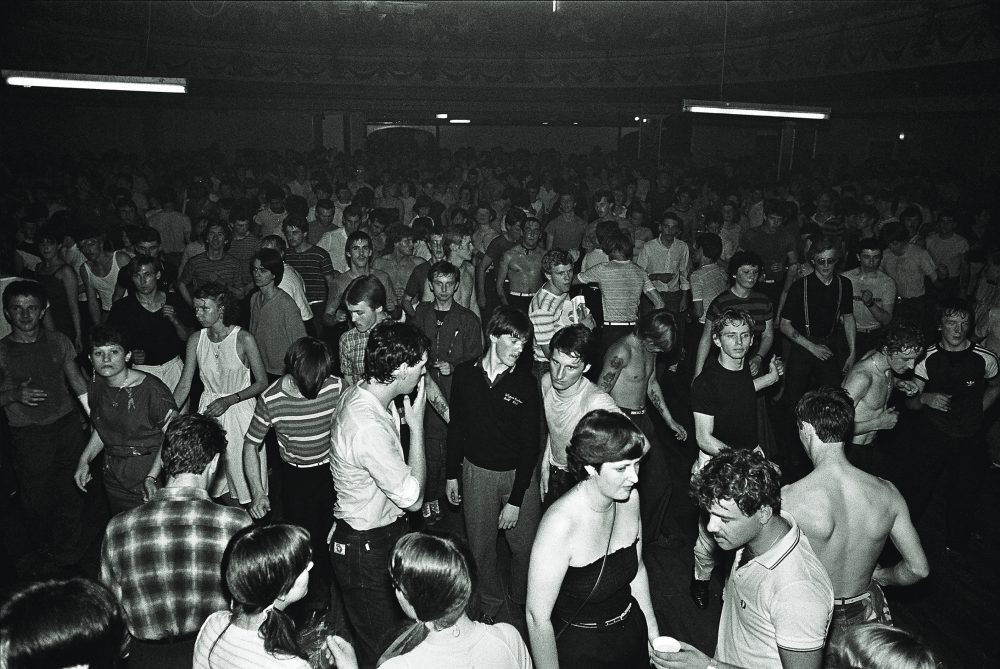
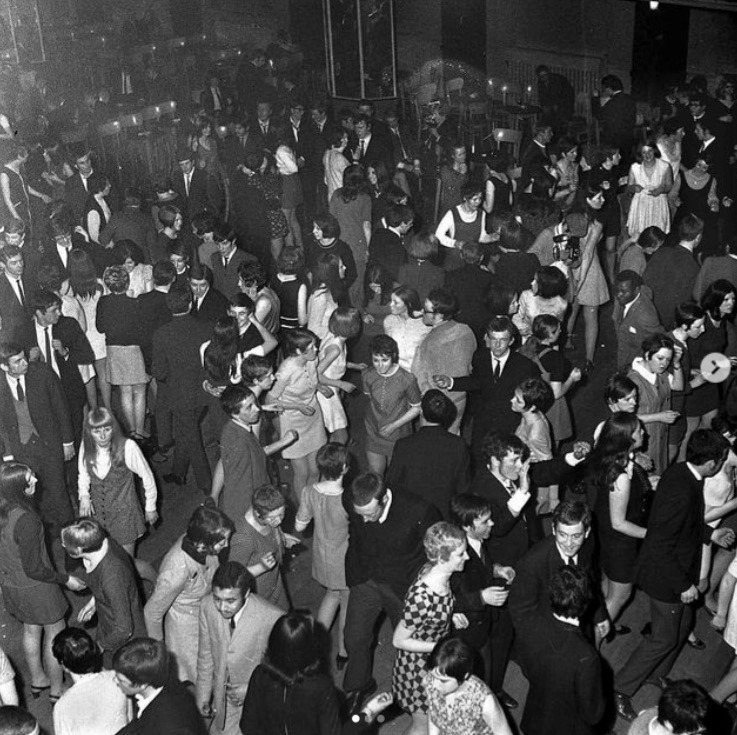
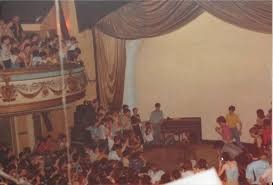
The main hall was a huge ballroom with a domed ceiling and a sprung wooden floor that was heaven for dancers. It could hold about 1,200 people, with the dancefloor flanked on three sides by ornate cast-iron balconies. Only two faint fluorescent strip lights hung from the ceiling, so much of the room was kept dim – giving the dancers an almost stage-like spotlight as they performed their moves in semi-darkness. A smaller second room, originally the Palais de Dance (by then nicknamed “Mr. M’s”), offered a cozy retreat where DJs played older classics; it stayed open until 6am for those who wanted a break or preferred oldies .
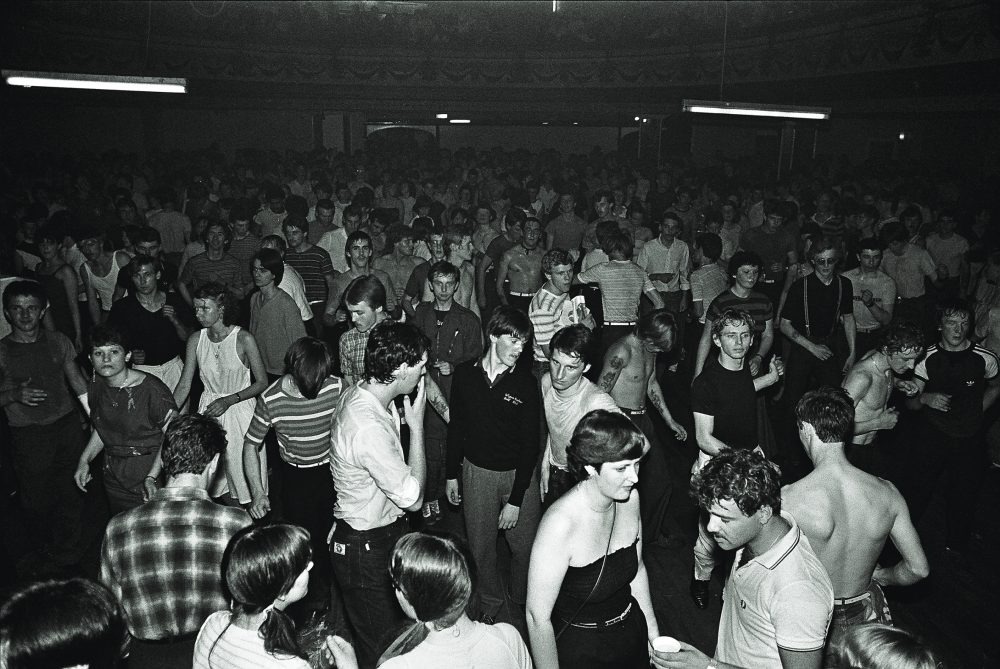
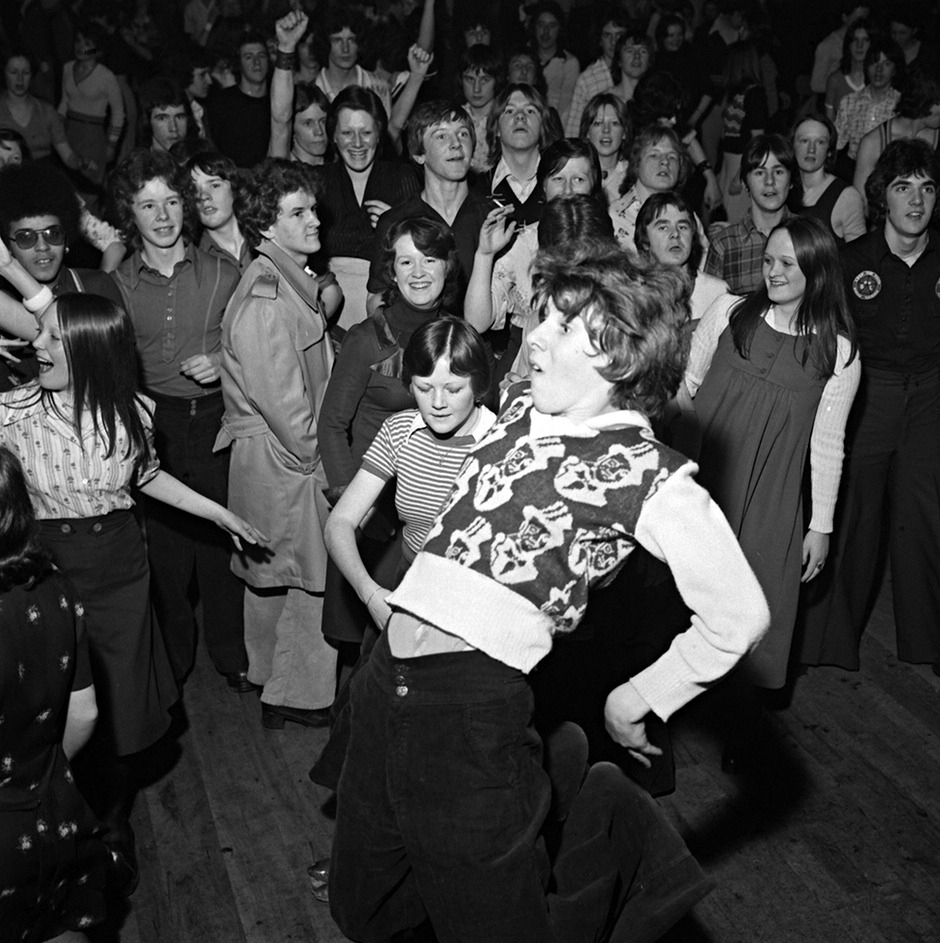
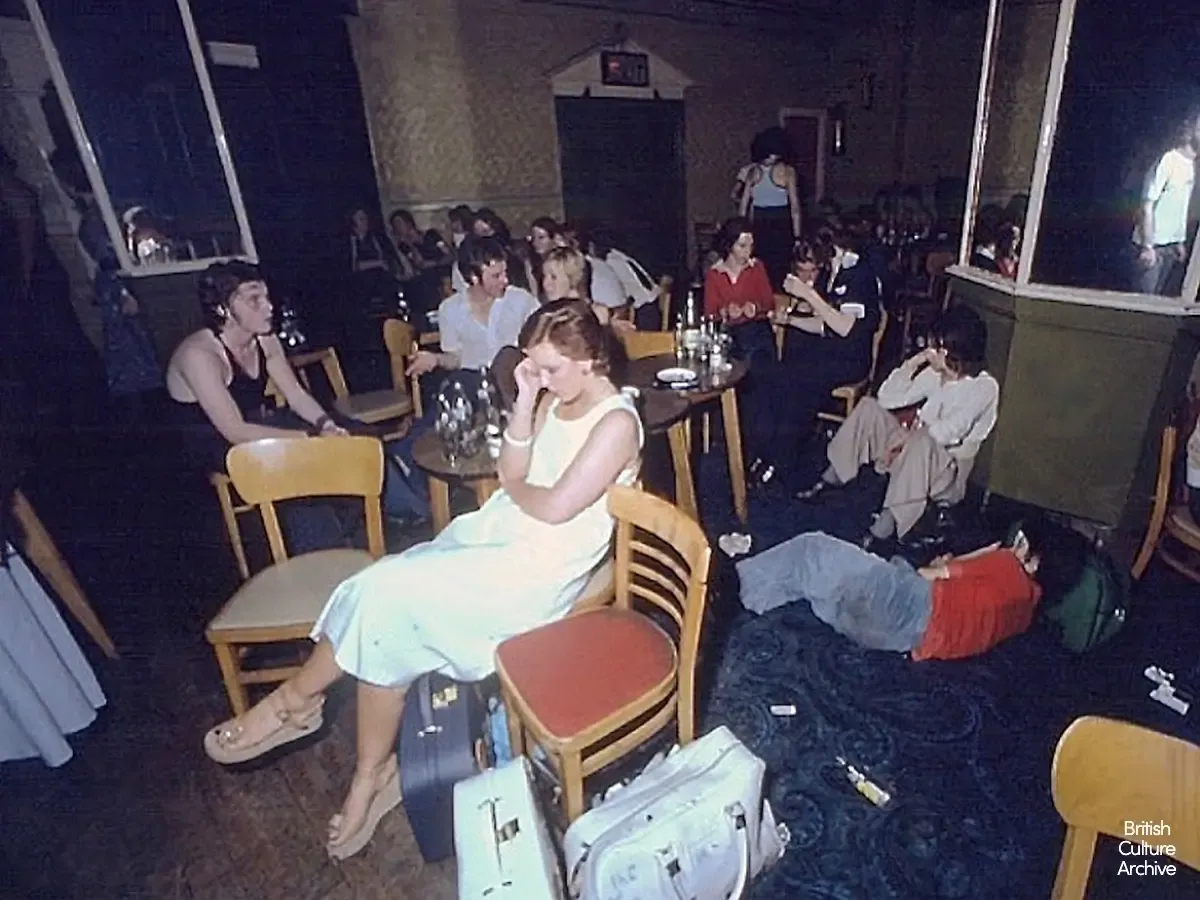
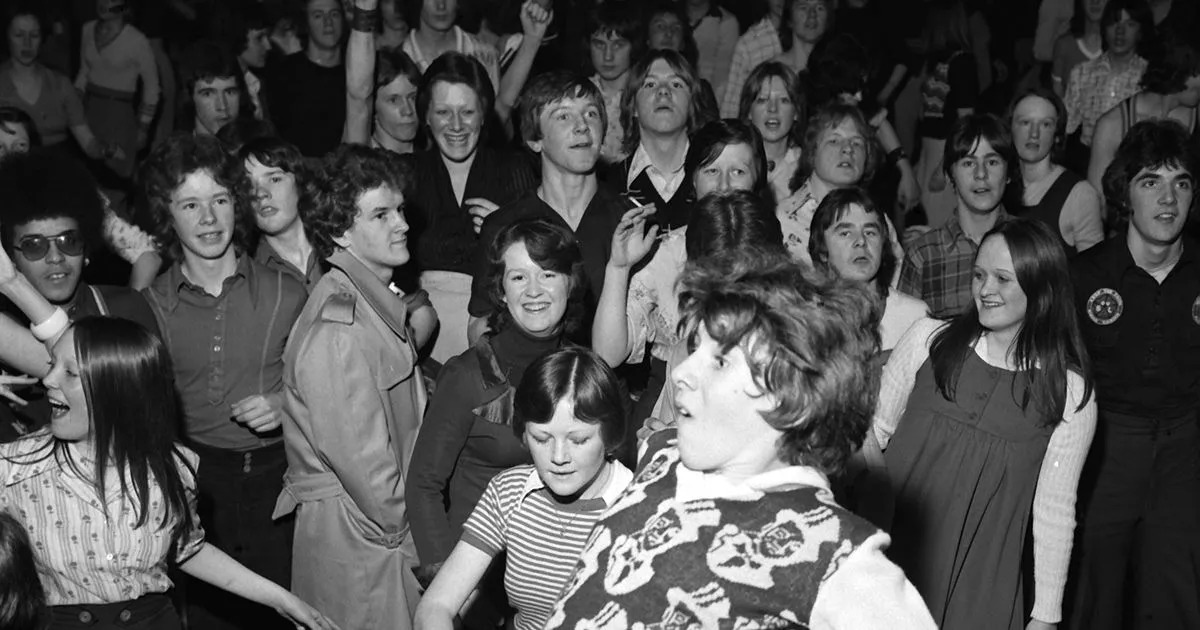
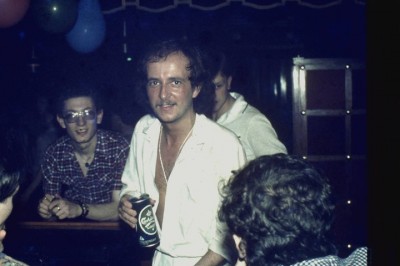
Inside, the atmosphere was electric and utterly unique. Because the all-nighters served no alcohol, there was none of the typical nightclub rowdiness or stupor. Instead, everyone was there for one purpose: the music and the dancing. Attendees would prepare for the night almost like athletes. Tony G described how he arrived “sober as a judge,” carrying a shoulder bag “packed with fresh clothes, shoes, talc, Brut (cologne) and the odd soul record” 16. Regulars knew they would be dancing for hours on end – from 2AM until well after dawn – so they came equipped to stay fresh. A quick change of shirt, a splash of Brut, and a sprinkle of talcum powder on the dancefloor could revive a weary dancer for another round. “We weren’t drinking; it was all about the music,” remembered one Casino regular. “We’d have sandwiches and milk for breaks, then change for the second half of the night. It was intense, but we loved every moment.”
From the moment you climbed the stairs and passed through the “big doors of heaven” (as Tony G dubbed the Casino’s entrance), the sound hit you. The resident DJ would already be spinning an up-tempo soul record with a driving beat. The bass reverberated through the wooden floor, and you could literally feel the music in your bones. The air was thick – a mix of body heat, spilled sweat, clouds of baby powder, and the sharp tang of deodorant and cologne. As Tony described it, “the atmosphere – which anyone who remembers will testify – was something I’m sorry to say we will never experience again. It was bloody amazing: the smells of deodorant, the taste of sweat, the music thumping and finally the dancing.”
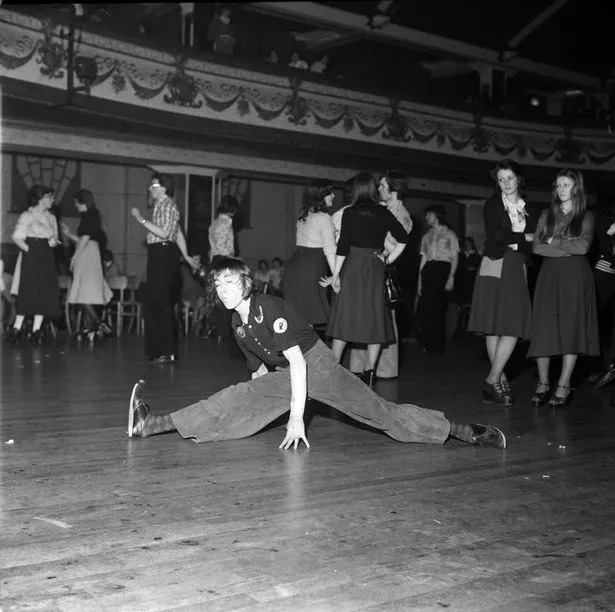
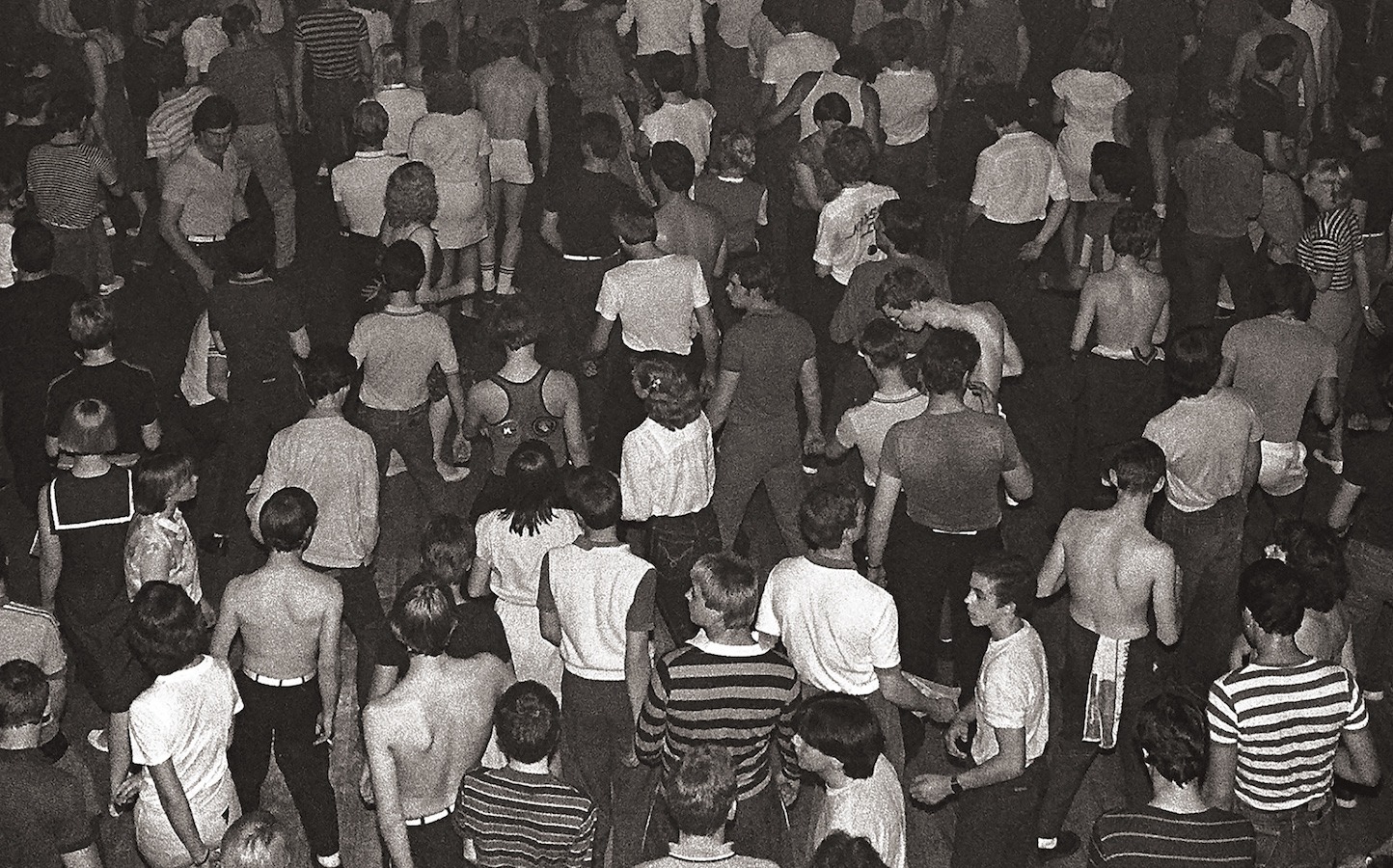
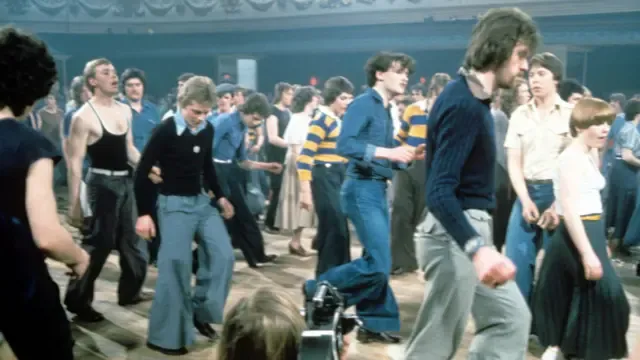
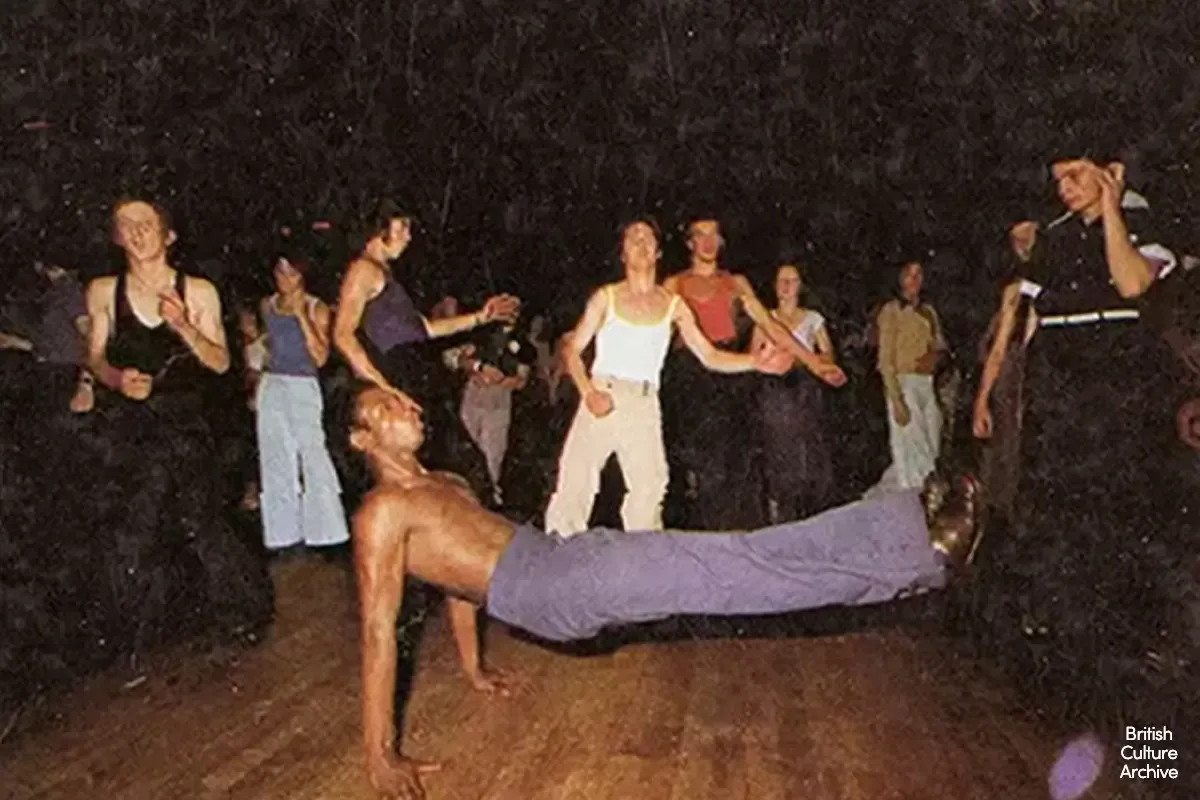
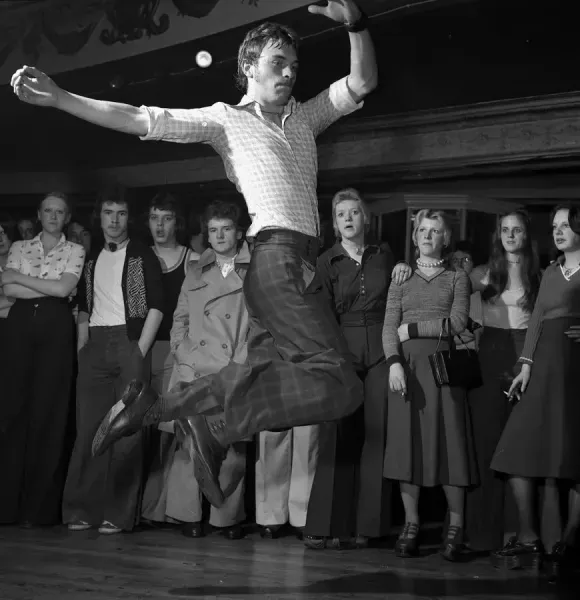
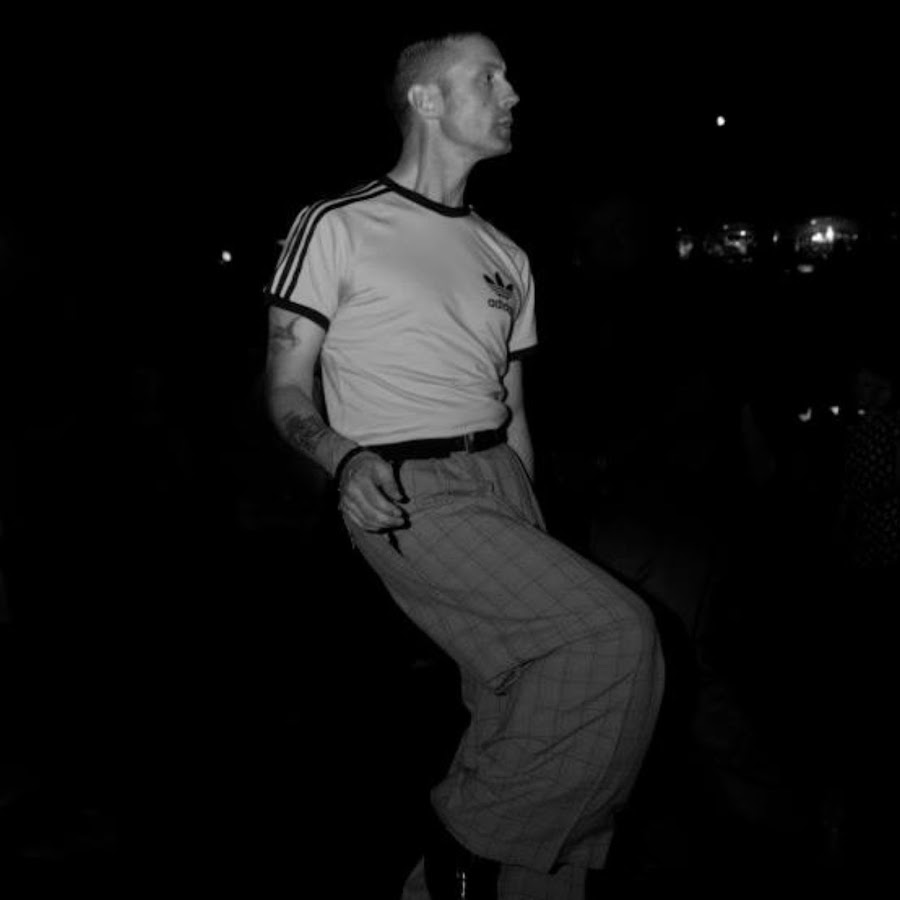
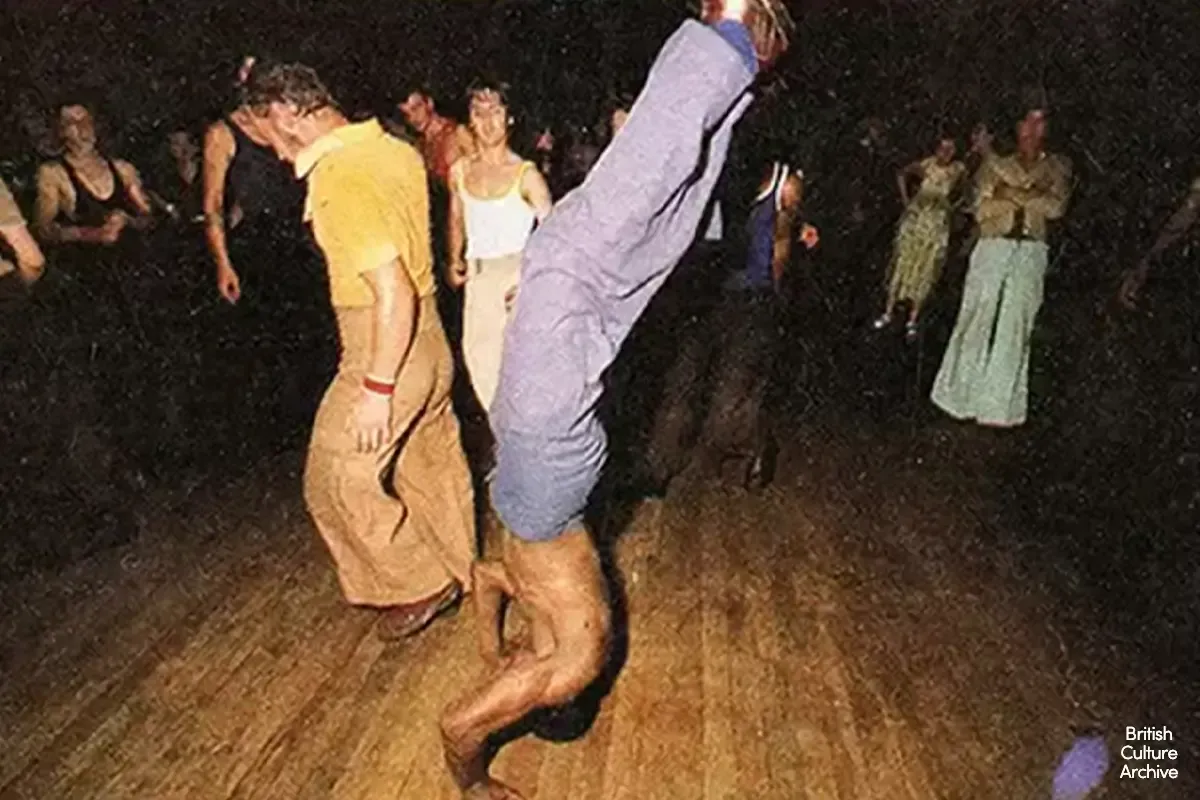
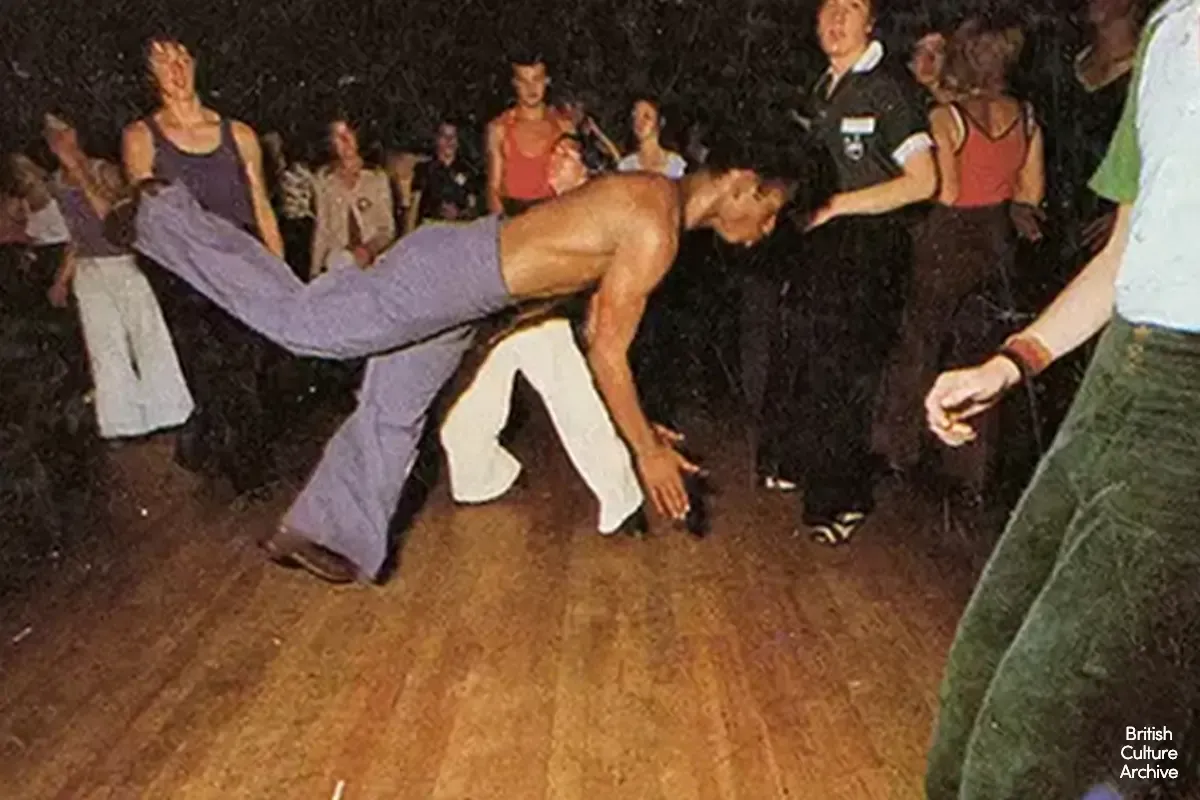
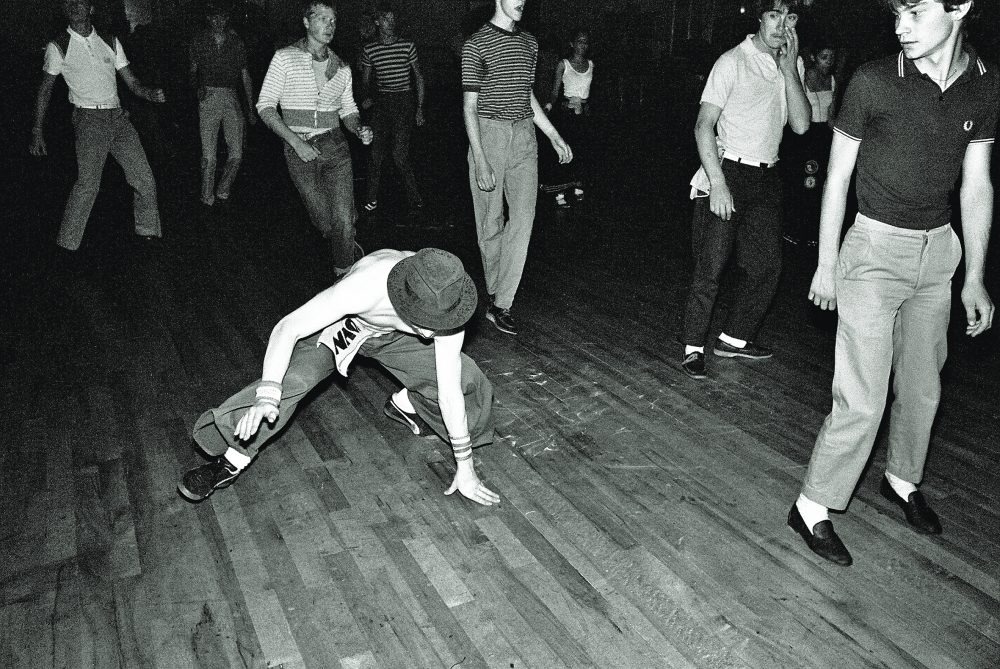
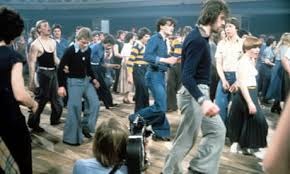
Indeed, veterans often say that no modern club environment can compare to the collective euphoria of Wigan Casino in full swing. On the dancefloor, anything went as long as it was in time to the beat. Northern Soul dancing was – and is – a style unto itself. It evolved from the R&B/Mod dances of the 60s, but Wigan took it to extremes.
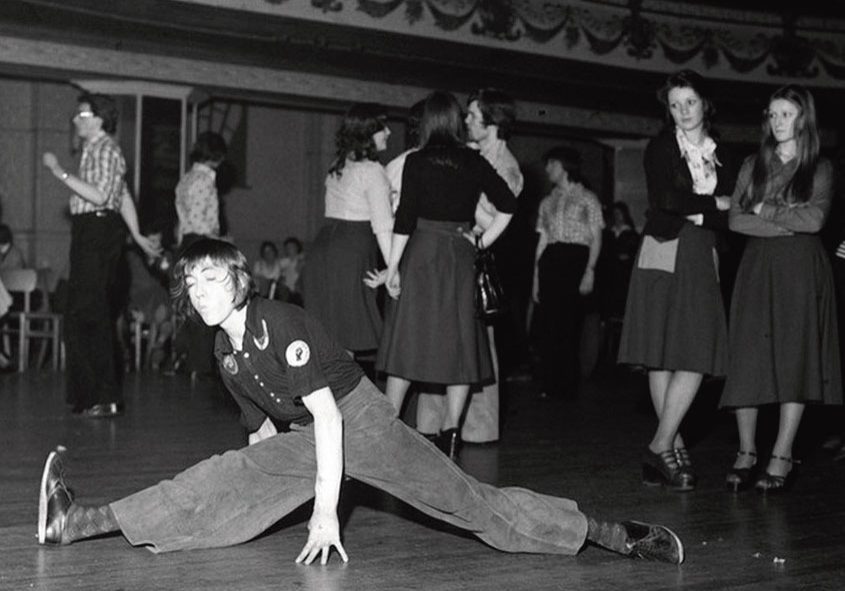
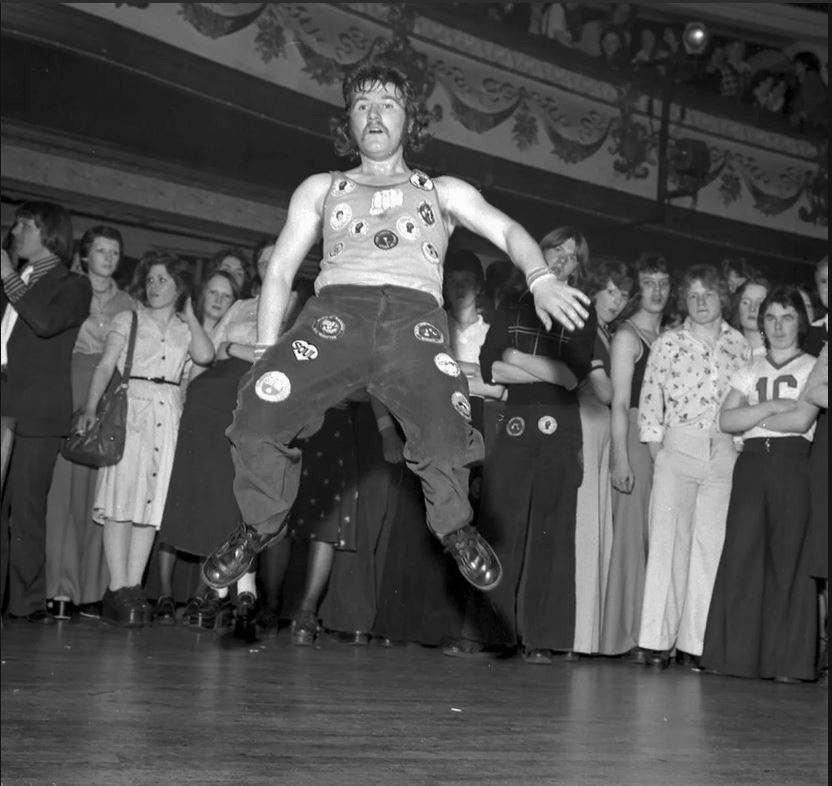
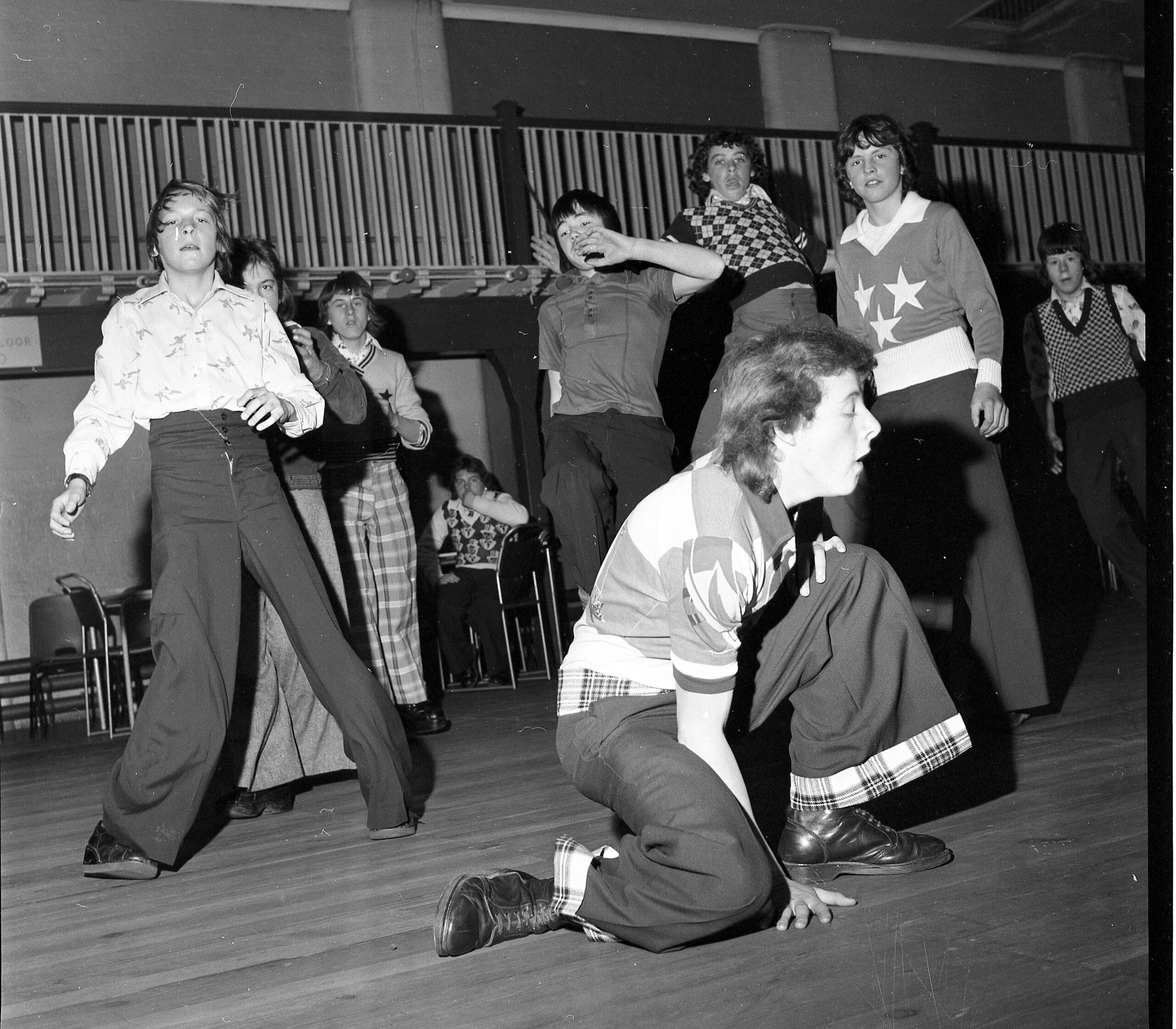
Dancers combined elegant spins, shuffles and back-drops with acrobatic flips, kicks, and even full splits.
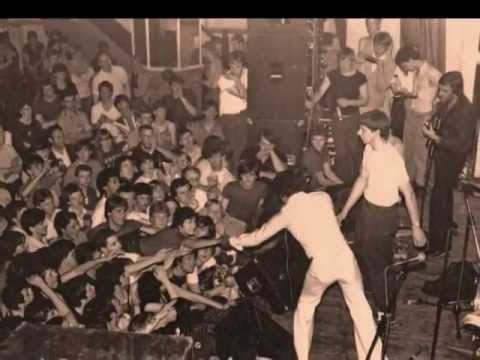
The Casino’s well-sprung floor was perfect for these athletic moves (a far cry from the concrete floor of Manchester’s old Twisted Wheel). It wasn’t unusual to see the most enthusiastic dancers attempt gravity-defying feats. Incredibly, one night a young man was so carried away by the music that he leapt from the balcony above and “dived onto the crowded dancefloor.” Instead of panic, what followed was almost comical – “People picked him up and he just carried on dancing.”
DJ Kev Roberts, who witnessed this in 1974, recalled it as a testament to the crowd’s passion. The energy on the floor was contagious: “Watching the dancers at Wigan was awe-inspiring – it gave you a great boost as a DJ,” said Richard Searling, one of the Casino’s most popular DJs .
There was a whole unspoken code of conduct to the dancefloor that outsiders found bewildering. For example, at certain breaks in the music, the entire room would clap in unison along with the beat.
As Russ Winstanley described, when “a couple of thousand people…clap at a key moment, it sounds like a pistol cracking.” If the dancers really loved a particular track, they would erupt into applause for the DJ at the end of it 22 – a custom unique to the Northern Soul scene. Another quirk was how the best dancers claimed territory. Over time, a “pecking order” developed on the Casino’s massive dancefloor. “We didn’t realise it at first,” Winstanley admitted, “but the better [the dancers] got, the further they moved towards the stage.” In other words, the true experts took the front-and-center spots near the DJ booth, where everyone could see their moves. Less confident dancers stayed toward the back or sides. Wigan’s crowd could be demanding – if a DJ played a mediocre tune, exhausted dancers would take a breather and the huge floor could clear within moments (leaving an embarrassed DJ to see the lights reflect off an empty wooden expanse). But when the right record dropped, the collective roar and surge back to the floor was pure adrenaline.
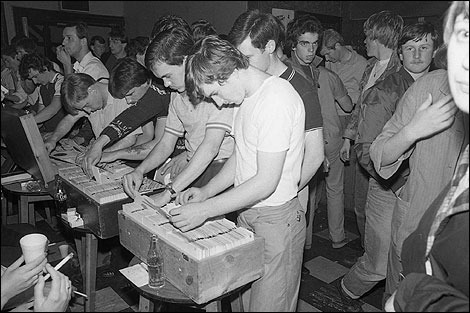
Because the club didn’t serve alcohol, many regulars used other means to keep awake and moving. Strong coffee and Coca-Cola were standard fare at the Casino’s snack bar. Less innocently, amphetamine pills (often pharmaceutical diet pills or over-the-counter ephedrine like “purple hearts” and “BronchiPax”) were the stimulant of choice for some hard-core dancers 26 27 . These were cheap and common in the 1970s Northern Soul scene – essentially the “poor man’s speed”. Taken in moderation, they helped clubbers dance energetically for eight hours straight. Wigan Casino consequently did spawn an “amphetamine culture” of sorts 19 , although one steeped more in camaraderie and all-night dance marathons than in dark drug abuse. (Some veterans recall that as the years went on, a darker side did creep in – by the end, “you could always see works [syringes] on the floor in the toilets at Wigan”, lamented journalist Paul Mason 28 29 , but for most attendees the scene was never about heavy drugs or getting high – it was about staying awake to dance.)
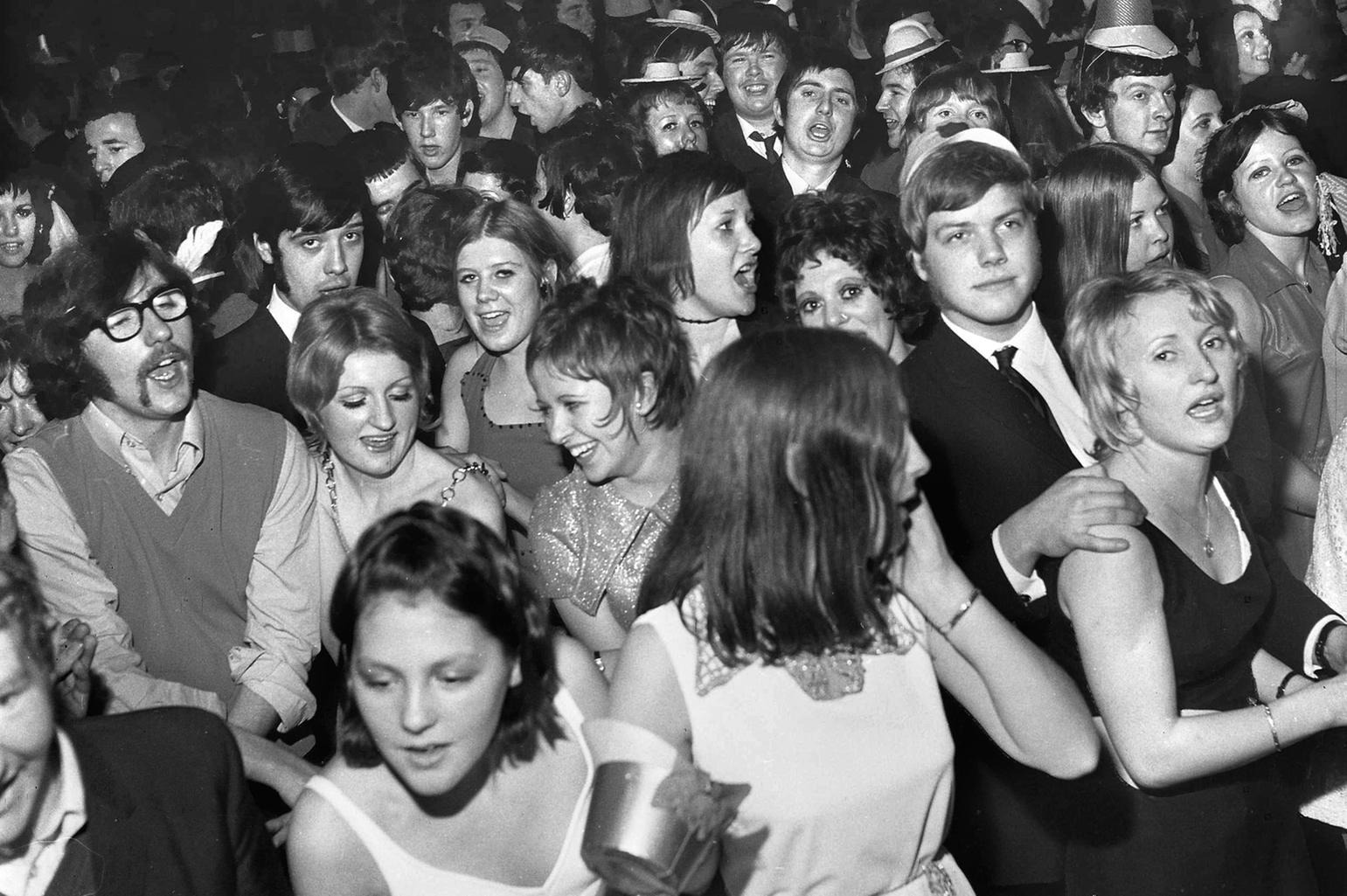
Despite (or perhaps because of) the sweat, fatigue and aching legs, nobody wanted to go home when the sun came up. There was a ritual to ending a Wigan all-nighter that became famous: the last few records of the morning, known as the “3 Before 8”, and the sing-along that they inspired. Shortly before 8:00 AM, Russ Winstanley or the DJ on duty would drop the beloved trio of closing songs: “Time Will Pass You By” by Tobi Legend, “Long After Tonight Is All Over” by Jimmy Radcliffe, and “I’m On My Way” by Dean Parrish 30 . As those familiar opening notes played, a cheer would go up. Hundreds of tired, euphoric dancers would link arms or form circles on the dancefloor, belting out the lyrics in unison. When the last of the “3 Before 8” ended, often to rapturous applause, the crowd still begged for more – clapping the beat even after the music stopped 31 . DJs often obliged with one final spin… and on the Casino’s final night, that one extra record became the stuff of legend (more on that later).
The DJs Who Made Wigan Spin
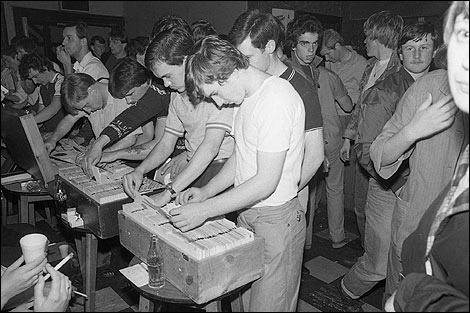
If the dancers were the heart of Wigan Casino, the DJs were the pulse, pumping new life into the scene with every 45 rpm single they uncovered. Northern Soul was, at its core, a DJ-driven culture. It wasn’t about live bands or hit artists – it was about obsessive record collectors unearthing obscure American soul records and sharing them with eager British audiences. At Wigan Casino, several influential DJs cultivated the sound that would come to be known as the “Wigan sound.”
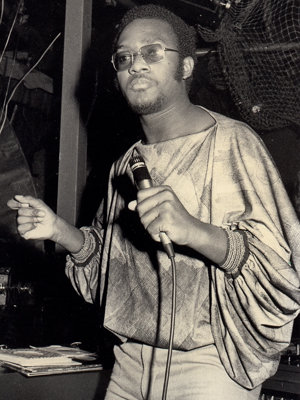
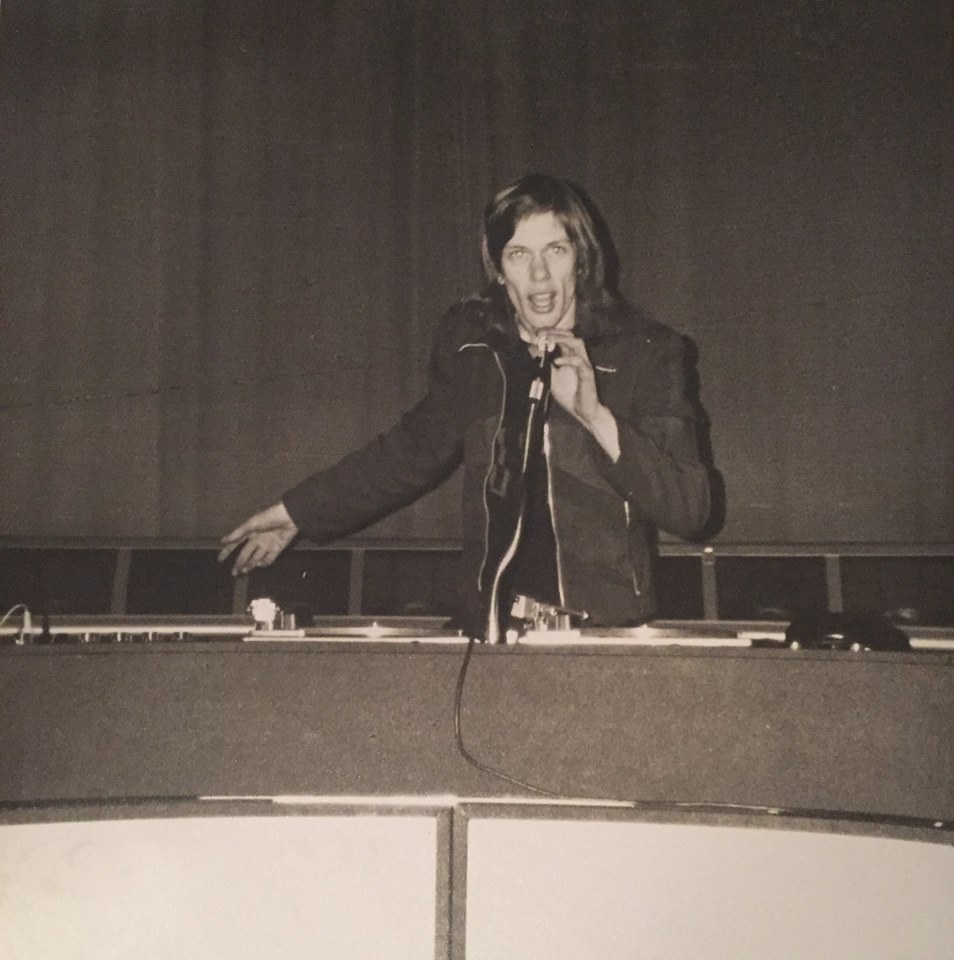
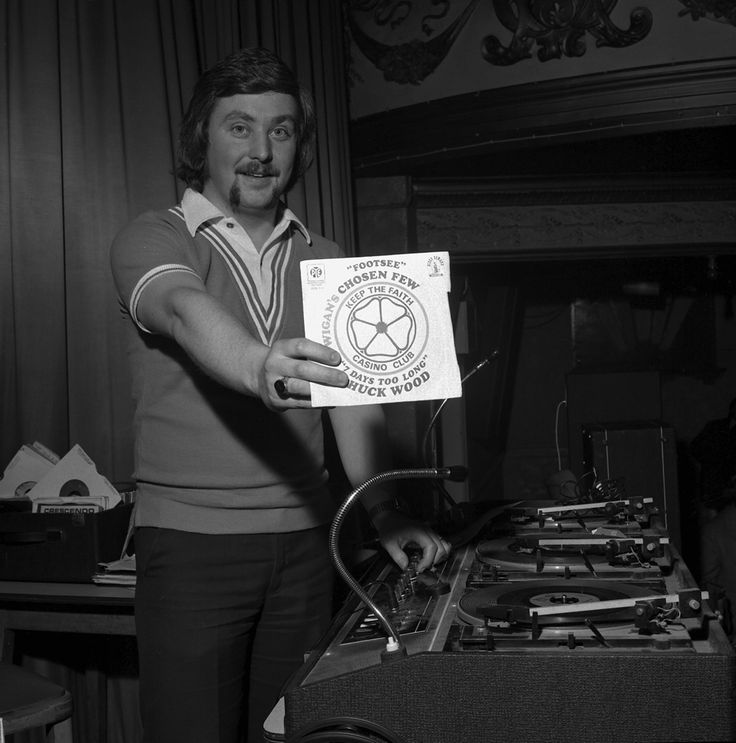
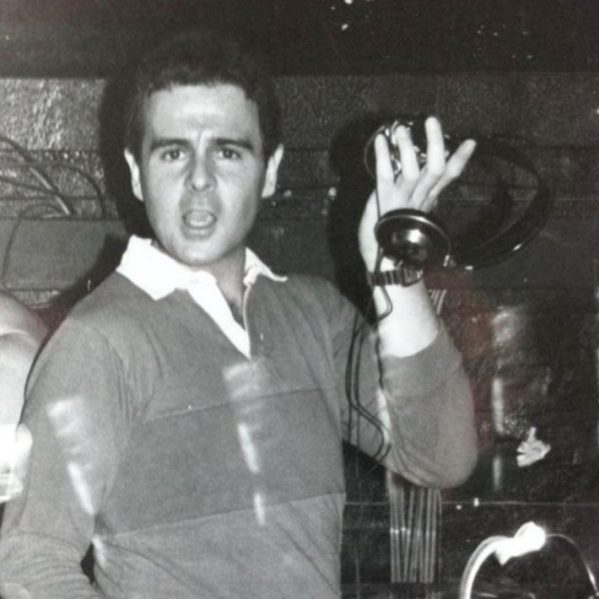
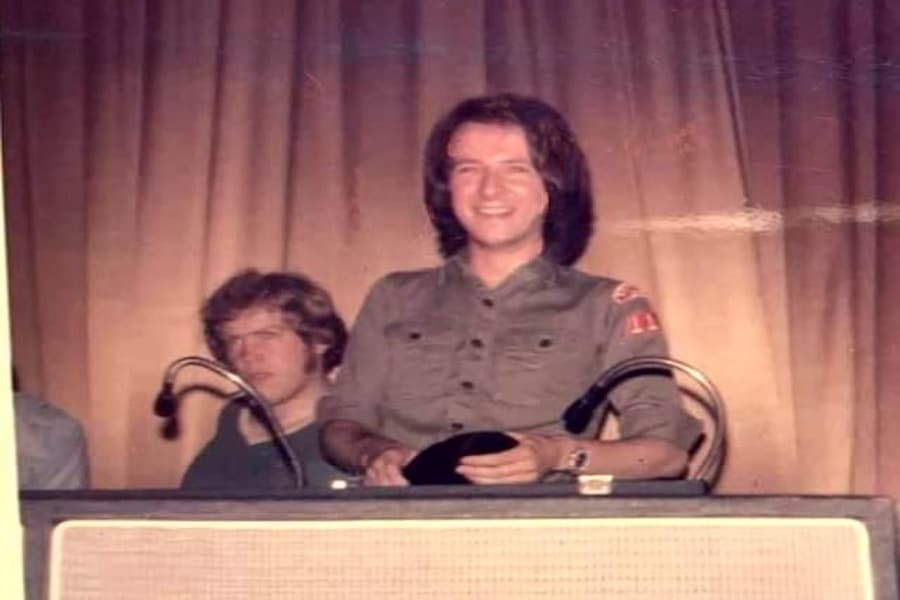
Russ Winstanley was the club’s founding musical curator and arguably its public face. A Wigan native barely in his mid-20s when the Casino all-nighters started, Winstanley had impeccable taste in rare soul and a knack for reading the crowd. He had only missed one Saturday all-nighter in the entire eight-year run of the club 32 , ensuring a remarkable consistency in the musical policy. Russ’s passion was such that he went to great lengths to track down new sounds – even working with contacts in the US to source rare records. He also understood the importance of exclusivity: it was common for Wigan DJs to cover up the labels on their hottest records or give them code names, so that other venue DJs couldn’t immediately identify the track and steal the thunder. (One famous example: Richard Searling initially promoted the tune “If This Is Love” by The Precisions under the fake title “Sha-La-La-La Lee” to keep it exclusive to Wigan 33 34 .)
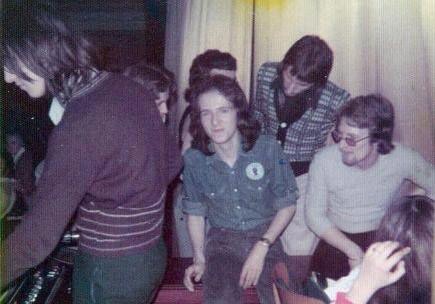
Not long after Russ kicked off the all-nighters, he was joined by young Kev Roberts – plucked straight off the dancefloor. Kev was only 16 when Russ spotted his enthusiasm and brought him into the DJ booth in the Casino’s second week 35 . Despite his youth, Roberts quickly proved himself adept at energizing the crowd. He also brought in some of the newer discoveries that would become Wigan anthems. Richard Searling, who began DJing at the Casino in 1974, became perhaps the most respected and forward-thinking of the bunch. Searling was a true crate-digger; he famously traveled to the U.S. on record-buying trips, spending long days in dusty warehouses searching for forgotten soul 45s 33 36 . “No radio for company, just sandwiches for lunch,” he said of one such trip, describing being left alone in a giant Philadelphia warehouse with only the rats for company 37 – the kind of dedication that earned him legendary status among fans.
The influence of these DJs extended far beyond Wigan. In 1975, Winstanley and Searling even began publishing a weekly Northern Soul chart in the music paper Record Mirror, so fans nationwide could see what “Wigan’s Top 20” records were that month 38 . To make the grade, a song usually had to be a floorfiller at the Casino – something that reliably packed the huge dancefloor. This drove the DJs to constantly test new discoveries and see how the crowd reacted. Searling recalls the pressure: “It wasn’t an easy gig to play because there was a certain sound they wanted… If you wanted to experiment you had to think about what you were doing or they’d let you know about it – 1,200 people would be in that room and when the dancefloor cleared…by god it looked awful.” 24 Playing a dud track in front of Wigan’s crowd could shatter a DJ’s confidence in seconds. Conversely, dropping a monster track – the kind that made the crowd explode with cheers – was an almost addictive thrill that kept the DJs digging for more.
Several other DJs also left their mark on the Casino. Ian Fishwick was Russ’s early assistant. Brian “Sip” Rigby and Alan Cain were involved in the initial nights . In the later years, Neil Rushton, Dave Evison, Steve Whittle and others took turns on the decks, especially in Mr. M’s (the oldies room) where they catered to nostalgia with older favorites 13 . Meanwhile, at any given all-nighter, you might catch guest spots from big names on the scene: Ian Levine or Colin Curtis from Blackpool Mecca, or “Soul Sam” from Wales, for example.
The sound that Wigan’s DJs forged came to define Northern Soul for a generation. It leaned heavily toward fast-paced, dramatic soul stompers – usually with a 4/4 beat, prominent vocals, and lush orchestration. Russ Winstanley summarized it: “There was a certain type of sound that was needed at the Casino because it was an amphitheater of a place. It had to be a pounding, powerful sound, and if you tried to play mid-tempo subtleties you’d bomb out big time.” 39 That meant the Wigan playlist in the mid-70s was full of adrenaline-fueled 1960s soul, often by lesser-known Black American artists and on small regional U.S. labels. Ironically, some of these tracks were so obscure that a number of them turned out not to be Black American artists at all – Wigan DJs unearthed blue-eyed soul records by white artists, and even a few pop songs, that fit the Northern Soul mold so well nobody on the dancefloor knew the difference 40 . (As Searling put it, “when you listen back now, a lot of the records were by white artists, and while they might sound now, at the time…they were perfectly acceptable. Those records were big, and in context they were perfectly acceptable.” 40 ) Purist critics griped, but the formula worked: Wigan kept the dancefloor packed and cultivated a massive following**. At the height of its fame, the club had over 100,000 members on its books 41 – an astonishing figure for a provincial nightclub.
Legendary Records of Wigan Casino
The true stars of Northern Soul are the records themselves. Wigan Casino introduced and popularized countless songs that were initially commercial failures in the US but became cherished gems in the UK. Many of these tracks achieved legendary status precisely because of the Casino’s crowds. In the original article we highlighted 10 classic Casino tunes – here we expand that list to 15+ essential records that defined the Wigan sound. Each of these songs filled the dancefloor at the Casino and still instantly evokes that era of swirling dance circles, patched-up baggies, and clenched fists held aloft in soulful exaltation:
- Frank Wilson – “Do I Love You (Indeed I Do)” (1965): Perhaps the most famous Northern Soul record of all time, and forever linked to Wigan Casino’s legacy. This Motown rarity (only a handful of demo copies were pressed) was virtually unheard in its day, but became a Casino anthem. It was literally the final record ever played at the Casino’s last night, chosen by Russ Winstanley to break the spell of hysteria when the crowd refused to leave 42 . As the last notes of “Do I Love You” rang out around 8am on December 6, 1981, hundreds of exhausted clubbers sat on the dancefloor and cried their eyes out 43 . That emotional moment cemented Frank Wilson’s uptempo love song as an immortal symbol of Northern Soul joy and heartbreak. Original vinyl copies now fetch tens of thousands of pounds, but its true value is in the memories it holds for Wigan’s soul survivors.
- Tobi Legend – “Time Will Pass You By” (1968): An uplifting, almost spiritual soul ballad with a driving beat, “Time Will Pass You By” was one of the treasured “3 Before 8” closing songs at Wigan 44 . Its inspirational lyrics (“Time will pass you by…”) took on special meaning as weary dancers sang along near sunrise. Many recall this song bringing tears of happiness at those allnighter finales. Tobi Legend (real name Babbie Green) never became a star, but this one track made her voice eternal in Northern Soul lore.
- Jimmy Radcliffe – “Long After Tonight Is All Over” (1964): Another of the “3 Before 8,” Jimmy Radcliffe’s dramatic floor-filler actually dates from the early ’60s but found new life at the Casino. With its soaring melody and bittersweet refrain (“Long after tonight is all over, I’ll remember you…”), it was a perfect last-dance song. The tradition at Wigan was to play it as the penultimate track of the night 44 – a final burst of emotion and speed before everyone linked arms for one more song. Radcliffe, a New York singer, could never have imagined youths in Wigan spinning to his B-side song a decade later, but it became a Northern Soul anthem.
- Dean Parrish – “I’m On My Way” (1967): The third of the holy trinity that closed each Casino allnighter 44 . Parrish’s horn-driven stomper actually charted in the UK in 1975 solely due to Northern Soul demand, hitting the Top 40 years after its release. At Wigan, “I’m On My Way” would often literally be played three times in a row on the last morning, as Russ Winstanley did on the farewell night 31 – and nobody ever complained! The pounding beat and triumphant chorus (“I’m on my way!”) sent dancers home on a high. To this day, hearing this song can transport former Casino-goers back to that sweat-drenched dancefloor as the morning light crept in.
- Dobie Gray – “Out On The Floor” (1966): Often cited as the ultimate Northern Soul dance track, “Out On The Floor” was a staple at Wigan Casino and other venues. It’s an exuberant celebration of dancing itself – “Out on the floor each night, I’m really movin’…” – and its catchy handclap intro and Motown-esque groove made it irresistible. Though Dobie Gray had bigger commercial hits (“Drift Away”), this song’s enduring fame owes everything to Northern Soul. Many consider it a theme song for the whole scene, encapsulating the freedom and ecstasy of losing yourself to the music on a nightclub floor.
- Yvonne Baker – “You Didn’t Say a Word” (1967): An explosive, horn-laden track featuring Baker’s powerhouse vocals. The moment the needle hit this record, dancers would literally sprint to claim their spot. With its thunderous brass riffs and stop-start rhythm, “You Didn’t Say a Word” is Northern Soul at its most frenetic. It became a Casino favorite in the mid-70s, known for triggering some of the most athletic dance displays (spin after spin in rapid succession). To many fans, it’s the sound of pure adrenaline – emblematic of why Northern Soul took hold.
- Al Wilson – “The Snake” (1968): A cheeky, up-tempo soul story-song that also found huge popularity at Wigan. “The Snake” tells a fable of a kind woman who rescues a snake, only to be bitten – but on the dancefloor, it was all about that driving beat and Al Wilson’s charismatic delivery. By the late ’70s, this song was known well beyond the Northern scene (it even briefly charted in the UK in 1975), but Wigan Casino crowds had been hip to it from the start. Its playful call-and-response sections had dancers miming along, and it remains one of the most beloved crossover Northern Soul hits.
- Gloria Jones – “Tainted Love” (1964): Long before Soft Cell made it a global synth-pop smash, “Tainted Love” was a forgotten B-side by Gloria Jones – until Northern Soul DJs resurrected it. Wigan Casino embraced the track as early as 1973. In fact, Gloria Jones herself came to Wigan to perform it live that year 45 , astonished at the song’s new-found life in England. With its urgent rhythm and unforgettable hook, “Tainted Love” exemplified the Northern Soul ethos of giving “failed” American songs a second chance. Jones’s original became a revered classic on the Casino dancefloor (you can hear the crowd clapping along on live recordings 46 ). Its success story is intertwined with Wigan Casino – one of the many examples of how this club’s DJs could turn an obscure tune into an international hit (Marc Almond of Soft Cell reportedly first heard “Tainted Love” via the Northern Soul scene and was inspired to record his 1981 cover).
- Dean Taylor – “There’s a Ghost in My House” (1967): A Motown oddity co-written by the famous Holland-Dozier-Holland team, this song flopped in the ’60s but became a monster Northern Soul hit in the ’70s. Wigan Casino regulars loved its foot-stomping rhythm and spooky lyrics. It was such a floor-filler that it got reissued in 1974 and climbed to #3 on the UK charts 47 – a rare case of Northern Soul directly translating into mainstream success. As one retrospective noted, “[Ghost] was a favourite at Wigan Casino, Blackpool Mecca, and other Northern Soul venues, though it didn’t become a hit in Britain until 1974.” 47 Today the track is frequently associated with Wigan’s legacy; it even featured in the 2014 film Northern Soul. Few things capture the magic of that scene like hundreds of dancers clapping in time to R. Dean Taylor’s spooky-catchy chorus.
- Chuck Wood – “Seven Days Too Long” (1967): Clocking in at just over 2 minutes, this frenetic track wasted no time kicking into high gear – perfect for Northern Soul. Already popular at Manchester’s Twisted Wheel, it continued to be a staple at Wigan Casino. On any given night when “Seven Days Too Long” (with its “Monday I held your hand, Tuesday…” lyrical countdown) blared out, you’d see the entire floor moving as one, every handclap and high-kick synchronized. It’s often cited in lists of top Northern Soul songs and is remembered as a Wigan anthem, embodying the scene’s love for fast, happy-sounding heartbreak songs.
- Mel Britt – “She’ll Come Running Back” (1969): Talk about rare – for years only a couple of copies of this record were known to exist, one of them ending up with a Wigan Casino DJ. A thumping, emotional number with powerful vocals, “She’ll Come Running Back” was a massive Casino tune around 1975–76. Its very scarcity made it special – fans knew they could likely only hear it at the Casino. According to one history, the discovery of this track was one of the highs of the mid-’70s scene 48 . When it played, dancers would rush out to do their best moves (knowing there were probably guys from other cities listening, hoping to ID the mystery record). Mel Britt’s soul belter has since been pressed and widely heard, but ask any veteran and they’ll tell you it belonged to Wigan Casino first.
- Tommy Hunt – “Crackin’ Up Over You” (1975): Tommy Hunt was an interesting case – a 1960s American soul singer (formerly of The Flamingos) who actually moved to the UK and became a fixture on the Northern Soul circuit. Wigan Casino embraced him, and he performed there many times. “Crackin’ Up Over You” was a song he recorded specifically for the Northern market, and it became a hit on the Casino dancefloor (it even entered the UK charts). Its slick, modern production combined with Hunt’s classic vocals made it a bridging point between old-school soul and the newer “modern soul” direction. Hunt later said Wigan Casino “made” his solo career – and indeed, they even awarded him the title Northern Soul. This track (along with Hunt’s “Loving On The Losing Side”) is inseparable from Wigan’s story, showing how the club didn’t just celebrate old records but also propelled new music.
- The Invitations – “Skiing In The Snow” (1968): An infectious, upbeat dance tune with a catchy call-and-response chorus, “Skiing In The Snow” became so popular at Wigan that a local cover version by the band Wigan’s Ovation was recorded in 1975, hitting the UK Top 40 49 . The original U.S. single by The Invitations had sunk without a trace, but Northern Soul DJs dug it up and it became a guaranteed crowd-pleaser (despite its incongruous wintery theme played in sweaty clubs!). The Wigan’s Ovation version even got the song onto Top of the Pops. Purists at the Casino cringed at the commercialism, but there’s no denying the song’s exuberance got many new folks into Northern Soul. When it played at the Casino – especially after that chart success – everyone would join in on the “dooby-dooby-doo” background chants with big grins.
- Edwin Starr – “Time” (1976): Motown legend Edwin Starr is best known for “War,” but by the mid-70s he was living in England and closely aligned with the Northern Soul scene. He performed at the Casino multiple times. His song “Time” was a 1976 release that the Wigan crowd took to heart – a stomping, dramatic number that fit seamlessly alongside the ’60s oldies. Starr personally debuted it at the Casino, and it became a later-years favorite there. It proved that Northern Soul wasn’t just about nostalgia; it could embrace new soul music if it had the right vibe. (Another example: Darrow Fletcher’s 1979 song “(Love is My) Secret Weapon” also got big at Wigan toward the end.)
(The list above could go on – truly, hundreds of records gained popularity through Wigan Casino. Other honorable mentions include The Tomangoes’ joyful “I Really Love You”, Nolan Porter’s smooth “If I Could Only Be Sure”, Sam Cooke’s pounding “Shake” (remixed to a fast tempo), James Fountain’s “Seven Day Lover,” and Tony Clarke’s “Landslide,” to name just a few. But the 15 selections above represent the cream of the crop – songs that became part of Wigan Casino’s very identity.)
Each of these records has its own backstory and its own “life” after Wigan Casino. Some charted in the UK because of Northern Soul support; some remained treasured rarities. But all of them are linked by the image of that heaving Wigan dancefloor – they are the soundtrack of a subculture. As DJ Richard Searling reflected, “The Casino sound was powerful – okay, it wasn’t the most soulful, but it got Northern Soul on the map and brought people onto the scene who are the roots of today’s scene.” 50 The music might have been old, new, black, white, pop or R&B – it didn’t matter, as long as it filled the floor.
Live Performances and Soul Stars at the Casino
Although Northern Soul was primarily a DJ and dance scene, live performances did happen at Wigan Casino and often left an indelible impression. In the early years, especially, the club’s management booked American soul artists (some whose fame had faded, some who were surprised to find they even had a following in the UK!). For the young Casino crowd, seeing these singers live was a thrilling chance to meet their heroes.
Among the soul legends who performed on the Wigan stage were Jackie Wilson, Edwin Starr, and Jr. Walker & The All Stars 51 – all bona fide stars of the ’60s who found a receptive new audience in the North of England. Jackie Wilson (“Mr. Excitement” himself) performed at a special Casino anniversary event; attendees recall him singing “(Your Love Keeps Lifting Me) Higher and Higher” to a spellbound crowd of youngsters who only knew the song from old records. Edwin Starr became a regular visitor to Northern Soul clubs after moving to England – he performed at Wigan Casino more than once, delivering high-energy renditions of “25 Miles,” “Eye to Eye,” and of course “War.” In one memorable appearance, Starr invited a few fans on stage to help with backing vocals on his anthem “War.” A Wigan casino-goer, Diana Jakeway, still beams recalling that she got on stage to sing along with Edwin Starr: “Along with a few other ladies at the Casino, I sang the backing vocals… one of my highlights of the Casino!” 52 moments like that made fans feel a direct connection with the music they loved.
Motown saxophone maestro Junior Walker also graced the Casino, reportedly tearing through hits like “Shotgun” and “Roadrunner” with blistering solos while the dancers freaked out (imagine doing spins to a live sax!). Other American acts that played the Casino included Martha Reeves & The Vandellas and The Elgins, both of whom had songs (“Nowhere to Run” and “Heaven Must Have Sent You,” respectively) that were Northern Soul favorites. By all accounts, these veteran performers were astonished at the sight of a thousand British kids dancing exuberantly and singing along to their old tunes at 3 o’clock in the morning!
Not only did Wigan embrace established stars, it also helped revive and sustain the careers of lesserknown soul artists who became heroes in the Northern Soul scene. One great example is Tommy Hunt. A former member of the 50s doo-wop group The Flamingos, Tommy Hunt had a modest solo career in the U.S. He moved to England in the early ’70s just as Northern Soul took off. Wigan Casino basically adopted him – he performed there numerous times and recorded new material geared to the fans. The club-goers adored him, nicknaming him “Tommy Huntsman” and even starting a fan club. Hunt’s 1976 single “Loving on the Losing Side” (a slick, mid-tempo soul song) was championed by Wigan DJs and became a UK Top 30 hit, showing the Casino’s influence in breaking new music 53 . His earlier track “Crackin’ Up Over You,” as mentioned, was massive at Wigan. In turn, Tommy Hunt always acknowledged that “the Casino made my career”, and he remained a fixture at Northern Soul reunion events for decades after.
Another performer who got a boost was Betty Wright – known for her soul hit “Clean Up Woman.” Though Wright was a successful artist stateside, Wigan Casino helped introduce some of her songs (like the upbeat “Shoorah Shoorah”) to a wider UK audience 53 , bolstering her popularity among younger fans. Even local UK soul acts had a chance: Wigan’s Ovation, a group of local musicians, performed their Northern Soul covers “Skiing In The Snow” and “Per-So-Nal-Ly” live after those songs entered the charts in 1975. While hardcore fans rolled their eyes at the slightly bubblegum nature of these acts, the performances did draw media attention and fresh faces to the club 49 .
Live nights at Wigan Casino were often sold-out special events, separate from the weekly all-nighters. They added variety to the Casino’s calendar. However, it’s telling that even when superstars came through, the DJ all-nighters remained the bread and butter. Many attendees would proudly state that no live band could ever match the intensity of the regular all-nighter when the DJ was in full control, spinning one peak-hour record after another with no pause. Still, the live shows were like bonus gifts – imagine seeing soul legend Gene Chandler do “Nothing Can Stop Me” in person, or dancing to the real Contours singing “Just a Little Misunderstanding” on stage!
In one sense, these appearances by original artists validated the Northern Soul scene. It forged a link between the American soul legacy and the new British subculture. Some of those artists went back home spreading the word that “England’s kids haven’t forgotten our music.” The feeling in the room during those shows was often one of mutual appreciation – the singers grateful for the adulation, the crowd grateful to see their obscure idols live and up close. As a clubber quoted in a local paper said in 1977, “to shake Jackie Wilson’s hand after dancing to his records for years – that meant the world to me.”
Beyond the Music: Fashion, Friendship, and “Keeping the Faith”
What made Wigan Casino truly special wasn’t just the music or the venue – it was the people and the culture that grew around it. The Northern Soul scene at Wigan fostered a tight-knit community and even its own fashion trends and slang. For thousands of young people in the 1970s, it wasn’t just a night out; it was a way of life that offered camaraderie, identity, and an escape from the daily grind.
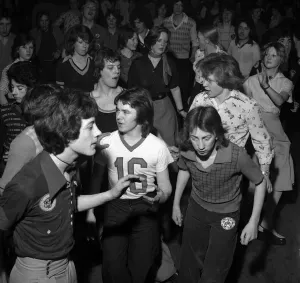
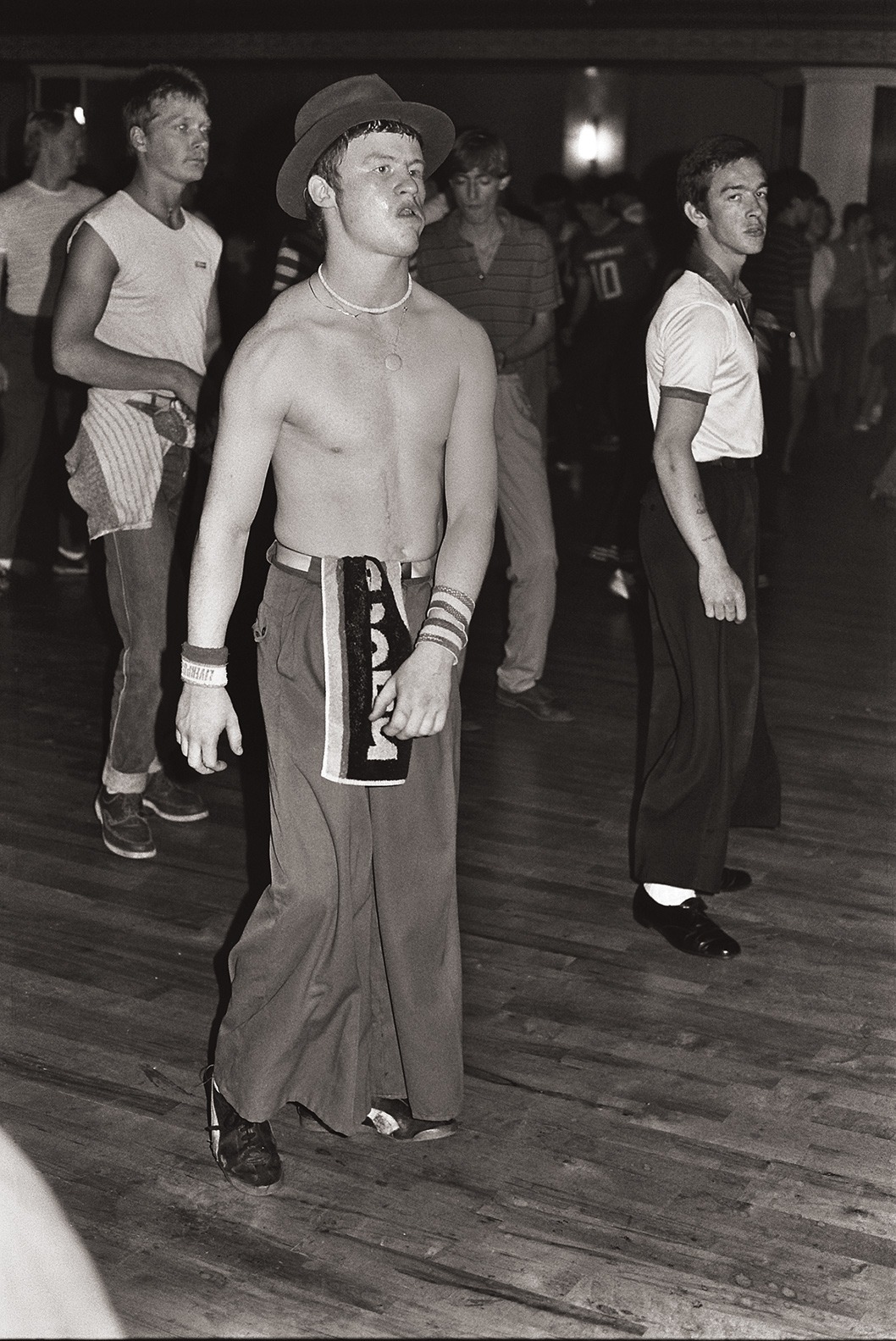
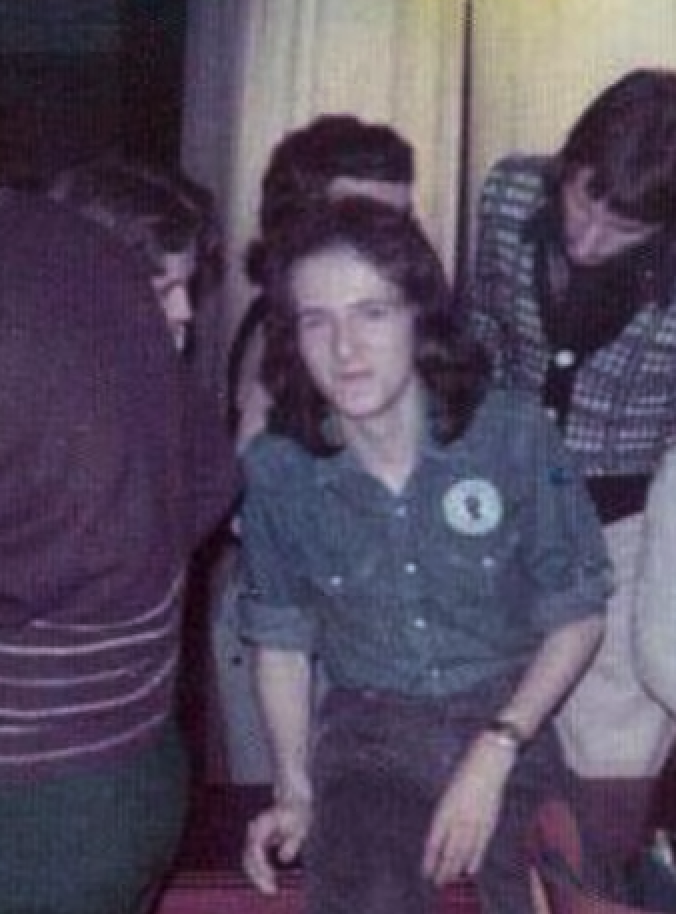
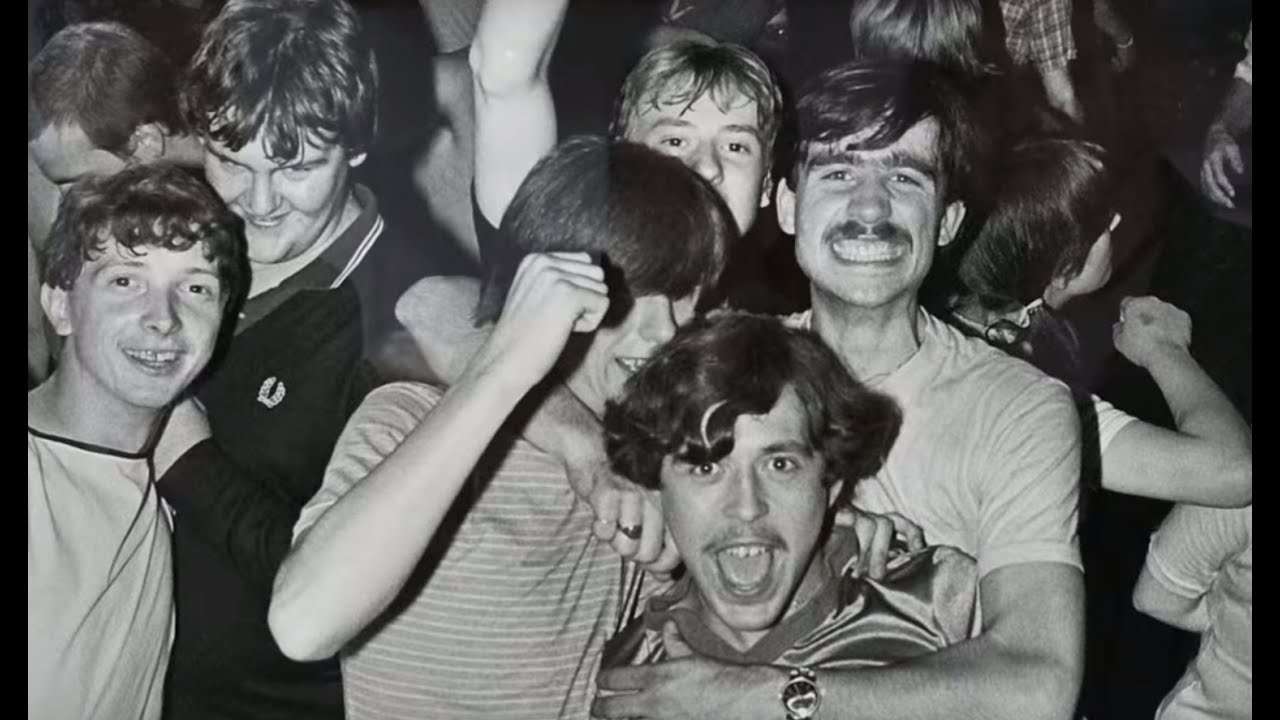
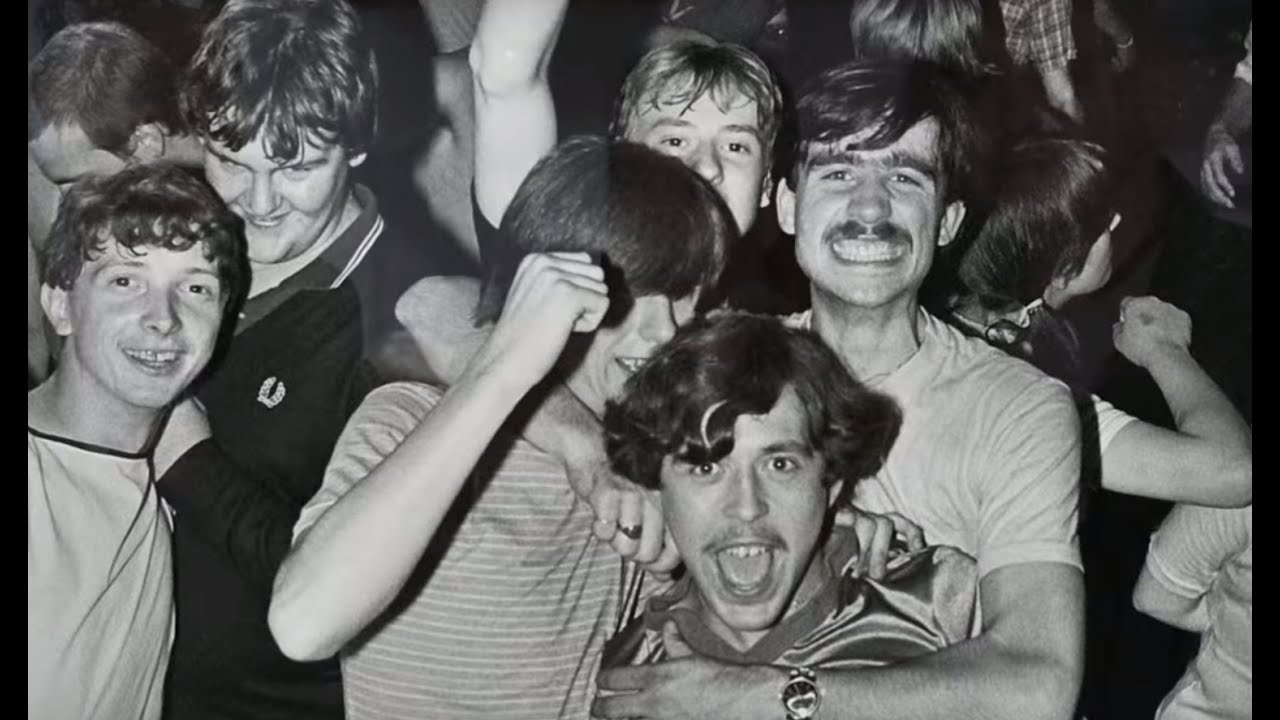
Fashion: Northern Soul fans developed a distinctive style primarily designed for intense dancing. The hallmark look for the boys was loose-fitting baggy trousers (often high-waisted, with 24 to 40-inch-wide hems!) paired with sports vests or esoteric T-shirts. The baggies – sometimes made by a brand called Spencer’s – allowed maximum leg movement for kicks and splits, and also caught the air when spinning, creating a dramatic flare. Many dancers adorned their outfits with badges and patches showing allegiance to the scene. It wasn’t unusual to see a denim jacket or vest covered in sew-on patches from various soul clubs and slogans like “Keep The Faith,” “Soul All-Niter,” or the Wigan Casino’s owl logo 54 55 . That famous phrase “Keep the Faith” became the unofficial motto of Northern Soul – a call to persevere and stay true to the music. One iconic image from Wigan Casino shows a young man with a dozen club patches on his shirt and a wide-eyed expression, embodying the youthful zeal of the scene42†. “Look at the clothes, her hair…that’s amphetamine,” photographer Red Saunders quipped about one of his shots, noting how even style was linked to the all-night culture 25 .
For the girls, fashion was a bit more varied. Early on, many female attendees wore mod-style dresses or skirts (since the Northern Soul scene evolved from the Mod scene). But spinning in a skirt had its limitations – modesty and maneuverability! – so gradually many women opted for practical attire like wide-legged trousers or athletic tracksuits and comfortable flats or sneakers for dancing. A memorable aspect of the look for both genders was footwear: classic leather soul shoes or dancing brogues for guys (with smooth soles for sliding), and girls often wore dance slippers or low heels. Importantly, everyone carried a towel or at least a handkerchief – to mop up sweat – and often a spare shirt or blouse to change into as the night wore on.
One female regular, recalling her first time at the Casino at age 15, said she was immediately struck by the scene: “I felt I’d found my place in the world… We were from all over the country, living different lives etc., but the music brought us together. The dancing, everyone was your friend – it was like stepping into another world.” 56 57 That sense of finding your tribe was common. If you dressed the part (wide trousers, maybe a patch that said “Soul” or a fist emblem), it was like a uniform that granted instant acceptance among fellow devotees.
Friendships and Community: Unlike a typical nightclub where you might go with a small group of local friends, Wigan Casino attracted crowds from all over Britain. People hitchhiked or crammed into vans from London, Glasgow, Belfast – anywhere – just to attend the famous all-nighters. On any given Saturday, the dialects on the dancefloor were a mix of Geordie, Brummie, Cockney, Scots, Scouse, you name it 6 . Remarkably, most of these youth probably wouldn’t have mingled outside of this context. But Northern Soul broke down regional barriers. Regulars began to recognize each other week after week; carloads from different towns would meet up at service stations on the way to Wigan in the middle of the night (cue stories of impromptu dance circles at motorway rest stops!). Over time, a true community developed, with lifelong friendships (and quite a few marriages) formed on that dancefloor.
The club gave many a profound sense of belonging during tumultuous youth. Wigan Casino wasn’t just a club – it was “home” every Saturday night. Diana Jakeway, the Casino regular quoted above, put it plainly: “I suppose today you’d say you’d found your tribe. … Everyone was your friend… We were part of something very special but didn’t realise it at the time. I wish I could have bottled the atmosphere.” 57 58 When the Casino doors opened at 2am, young souls who may have felt like misfits in their daily lives (factory workers, students, unemployed teens, etc.) suddenly fit in perfectly amid the thumping beats and swirling talcum powder. Many have said that the Northern Soul scene “kept me sane” or even saved them from the despair of 1970s economic hard times and social strife.
There was also a notable spirit of camaraderie and positivity. The Northern Soul crowd was largely non-violent and inclusive. The scene was rooted in a deep appreciation for Black American music, and while the majority of participants were white working-class Brits, there was a shared respect and a desire to emulate the soul aesthetic. Some black soul fans and DJs were part of the Casino scene too, and generally found it welcoming (though the history of Northern Soul’s relationship with Black British youth is complex – some black club-goers later expressed feeling that white fans “took over” the music, but others proudly participated in the all-nighters 59 ). By and large, however, racism was anathema in this subculture, given that everything from the music to the dances had black American origins. “Keep the faith” had a social meaning as well: to uphold the values of unity through music.
Beyond Wigan – the wider culture: The Casino’s influence went beyond its walls in shaping Northern Soul culture. Fashion-wise, by the late ’70s the “Wigan look” (badges, baggies, Northern Soul patches) was seen at soul nights across the country. The club’s reputation was such that to call oneself a true “soulie,” a pilgrimage to Wigan was almost compulsory at some point. People networked via fanzines and newsletters, pen-palling with friends they’d made at the Casino and exchanging new record finds by mail. In essence, Wigan Casino and its crowd formed the core of the Northern Soul scene during that era, radiating trends outward.
Also significant was the positive escape the Casino provided from everyday life in the 1970s. Wigan in the ’70s was facing tough times – the coal mines and factories that had sustained the town were in decline, unemployment was high, and Britain in general was going through economic woes, strikes, and social upheaval. For one night a week, though, none of that mattered. “Wigan Casino wasn’t merely a nightclub; it was a cultural phenomenon that inspired fashion trends, dance styles, and a profound sense of belonging,” a recent retrospective observed 60 . The Casino provided an escape from the trials of working-class life, a place where you could dance your stress away and be part of something joyful. As soon as you stepped inside, you were greeted with a smile or a hug from friends, the DJ’s upbeat soul tunes washing over you. You could be covered in sweat and talc, your legs aching at 7am, but you felt happy and free. In a famous 1977 documentary about Wigan Casino, a young clubber says, “I don’t know what I’d do if Wigan shut down; life wouldn’t be worth living.” 61 That might sound extreme, but it captures how deeply people invested their hearts in this scene. For many, Northern Soul was more than a hobby – it was an identity and a refuge.
Even elements like the rivalry with other clubs (covered below) added to the sense of belonging – Wigan Casino regulars took pride in their club as the best, wearing Wigan Casino badges and defending its honor in friendly debate. And yet, whether someone’s favorite was Wigan, Blackpool, or somewhere else, all shared the “keep the faith” credo. Indeed, decades later, the extended Northern Soul family remains tightly connected, largely thanks to the bonds originally forged at venues like Wigan Casino.
Rivalry and Revolution: Wigan Casino vs. Blackpool Mecca
No history of Wigan Casino would be complete without discussing its famous rivalry with another Northern Soul stronghold: the Blackpool Mecca. In the mid-1970s, these two venues – Wigan Casino and the Highland Room at Blackpool Mecca – represented two poles of the Northern Soul scene. Both were enormously influential, and at one time many soul fans happily attended both. But around 1974– 75, a split occurred that would become the stuff of legend, often characterized as the battle of “oldies vs. newies,” or “stompers vs. moderne”. The reality was a bit more nuanced, but the Wigan vs. Mecca split did generate plenty of drama and some hurt feelings in the soul community.
Blackpool Mecca (specifically its Highland Room inside the Mecca leisure complex) hosted soul nights a few years before Wigan Casino opened, and under DJs Ian Levine and Colin Curtis it built a reputation for being more progressive and eclectic in musical taste. In the early ’70s, Mecca and Wigan actually weren’t direct competitors – Mecca ran events during normal evening hours, while Wigan specialized in the all-nighters, so hardcore fans could attend both. But by 1975, differences sharpened.
Wigan Casino’s approach (steered by Winstanley and co.) was to focus on the classic 1960s soul sound – fast-paced Motown-style and Detroit-style records, with an emphasis on rarities that fit that vibe. Wigan became known for its “stompers” – high-BPM tracks that dancers could really go wild to, even if some were a bit cheesy or poppy. The crowd also loved their familiar oldies. Over time, Wigan set aside portions of the night (and even separate “oldies all-nighters”) purely to spin the established favorites from earlier years 62 .
Blackpool Mecca’s approach, especially under Ian Levine by mid-1975, started to diverge by embracing more contemporary soul – including early disco, funk, and smoother Philadelphia soul sounds that purists might not consider “Northern.” Levine began introducing brand new releases into his sets 63 , something that was almost heresy to those who believed Northern Soul was all about unearthing obscure old records. He famously championed tracks like The Carstairs’ 1973 song “It Really Hurts Me Girl,” a lush, modern soul track with a funky edge. When he dropped such records at the Mecca, some traditionalists balked – but many younger fans loved it. The Highland Room also embraced changes in fashion (more contemporary ’70s styles) and dancing (some say the Mecca crowd toned down the acrobatics a bit, grooving more in place to the funkier rhythms). A commentator later noted, “The Mecca and Wigan grew further apart… The scene was irrevocably split, not between funky and stompers as the myth claims, but between those who thrived on change and those who resisted it. The Mecca changed by the week (records, fashion, image) whilst Wigan remained rooted in stompers, oldies and acrobatics.” 64 65
The tension came to a head when some Wigan Casino DJs and attendees wanted to follow the Mecca’s lead and freshen up the music policy – leading to pushback from Wigan’s management. There were a few notorious incidents: DJ Kev Roberts was sacked from the Casino for allegedly playing too “modern” a tune in 1975 66 . Another Wigan DJ, reportedly Frank Peel, was censured for spinning new funk tracks (like “The Ladies Choice” and “Uptown Saturday Night”) that management promptly banned from the playlist 67 . Wigan’s organizers even printed cheeky flyers mocking the Mecca’s “progressive” stance, doubling down on Wigan’s identity as the home of true soul stompers. Meanwhile, some Wigan loyalists directed personal attacks at Blackpool DJ Ian Levine, accusing him of diluting the scene or chasing trends 66 .
This “Northern split” was characterized by “great personal ill feeling,” as one history describes 67 . On one side, Wigan stalwarts felt they were protecting the purity of Northern Soul – the foot-stomping, heart-racing 60s sound that defined the movement. On the other side, Blackpool Mecca’s fans felt they were pushing the scene forward, preventing it from becoming an oldies museum piece. By late 1975, you increasingly had to declare allegiance: Were you Casino or Mecca? As noted, many who once attended both began to choose one over the other 64 .
Out of this rivalry, interestingly, came some of the greatest discoveries of Northern Soul’s golden era. DJs scrambled to one-up each other with ever more amazing finds. “Out of this labyrinth came some of the greatest ever Northern sounds – [the] Anderson Brothers, Mel Britt, Lou Edwards, Kenny Smith, etc.” writes soul historian Stuart Cosgrove 48 , referring to records like The Anderson Brothers’ “I Can See Him Loving You” and Lou Edwards’ “Talkin’ ’Bout Poor Folks” which became big after 1975. The competition spurred an arms race of rare records, which, for the fans, was a boon – so much new (old) music to enjoy.
That said, the split did introduce a fissure in the community. The term “Northern Soul” itself started to branch – with some preferring the “old school” style (Wigan) and others leaning toward the “modern soul” style (Mecca and beyond). It’s a debate that still can stir passionate discussion among veteran soulies!
From Wigan Casino’s perspective, the rivalry only solidified their determination to be the standardbearer of the movement. In later interviews, Russ Winstanley graciously acknowledged that “the Mecca sound” was great too, but he made no apologies for Wigan’s policy. “The Casino sound was powerful… it got Northern Soul on the map and brought people onto the scene who are the roots of today’s scene. I don’t think Wigan has anything to apologise for musically,” Searling said in defense of the club’s legacy 68 . Indeed, while Blackpool Mecca closed its doors to soul nights by 1979 (its owners changing musical direction), Wigan Casino continued packing in crowds right up to the end.
An anecdote often repeated is that in 1978, the American magazine Billboard supposedly named Wigan Casino the “Best Disco in the World,” even ahead of the infamous Studio 54 in New York 69 . (Whether this was officially published or just a rumor that took on a life of its own, it was widely believed – and certainly touted with pride by Wigan fans). True or not, it symbolized how internationally renowned Wigan Casino had become, even while much of the mainstream UK press ignored it. The Mecca vs. Casino debate ultimately became moot when Wigan Casino reigned as the last major Northern Soul venue standing by the early ’80s. But in the hearts of those who were there, both clubs played vital roles. Many will diplomatically say Blackpool Mecca was where you heard the best new soul music, but Wigan Casino was where you felt the pure spirit of Northern Soul in its most concentrated form.
In the end, the rivalry only added to Northern Soul’s mythology – two great clubs, two philosophies, one shared passion. And today, any discussion of one invariably includes respect for the other. (A nice coda: at Northern Soul reunion events in recent years, DJs and attendees from the Casino and Mecca eras mingle happily, trading memories. Time has healed any old rifts; the records that were once controversial are now all just part of the beloved soundtrack.)
“Last Night….” – The Casino’s Final Chapter and Lasting Legacy
By 1981, after eight incredible years, Wigan Casino’s time was running out. The club’s building was aging and Wigan’s civic authorities had never abandoned their plans to demolish it and redevelop the site. Attendance had begun to dip slightly as well, as other venues (like the Bradford Queens Hall and Manchester Ritz) started hosting soul all-dayers and a new generation of fans and DJs took the scene forward into the 1980s. The Casino management fought to keep it open as long as possible, but eventually the notice came: the club would have to close to make way for a new civic center extension 70 .
The last official Wigan Casino All-Nighter was scheduled for 6 December 1981. In the months leading up, emotions ran high. Some of Wigan’s long-time DJs had already left by then; the beloved manager, Mike Walker, had tragically passed away (he died by suicide in 1981, which cast a pall over the community) 71 . Russ Winstanley himself admitted, “It was the only night I never wanted to go….”, dreading the goodbye 72 . But go he did – he had one final job to do: give Wigan Casino the send-off it deserved.
The final night was absolutely packed – perhaps over 2,000 people crammed in (despite the official capacity). Many came out of retirement for one last dance; others traveled from across the country and even abroad. The atmosphere was a mix of celebration and sadness. Old classic records were pulled out in force, turning the night into a grand retrospective. As dawn neared on that December morning, an almost palpable anxiety filled the room – nobody wanted it to end. Winstanley took the mic and announced the final “3 Before 8” would now play. For the last time, Tobi Legend’s voice soared: “Time Will Pass You By….” followed by Jimmy Radcliffe’s “Long After Tonight Is All Over,” and Dean Parrish’s “I’m On My Way.” Dancers, many with tears streaming, gave those songs the most passionate send-off ever – singing along at the top of their lungs, embracing friends, savoring every second. When “I’m On My Way” ended, the crowd erupted into prolonged applause and simply kept clapping the beat, unwilling to let the music die 42 .
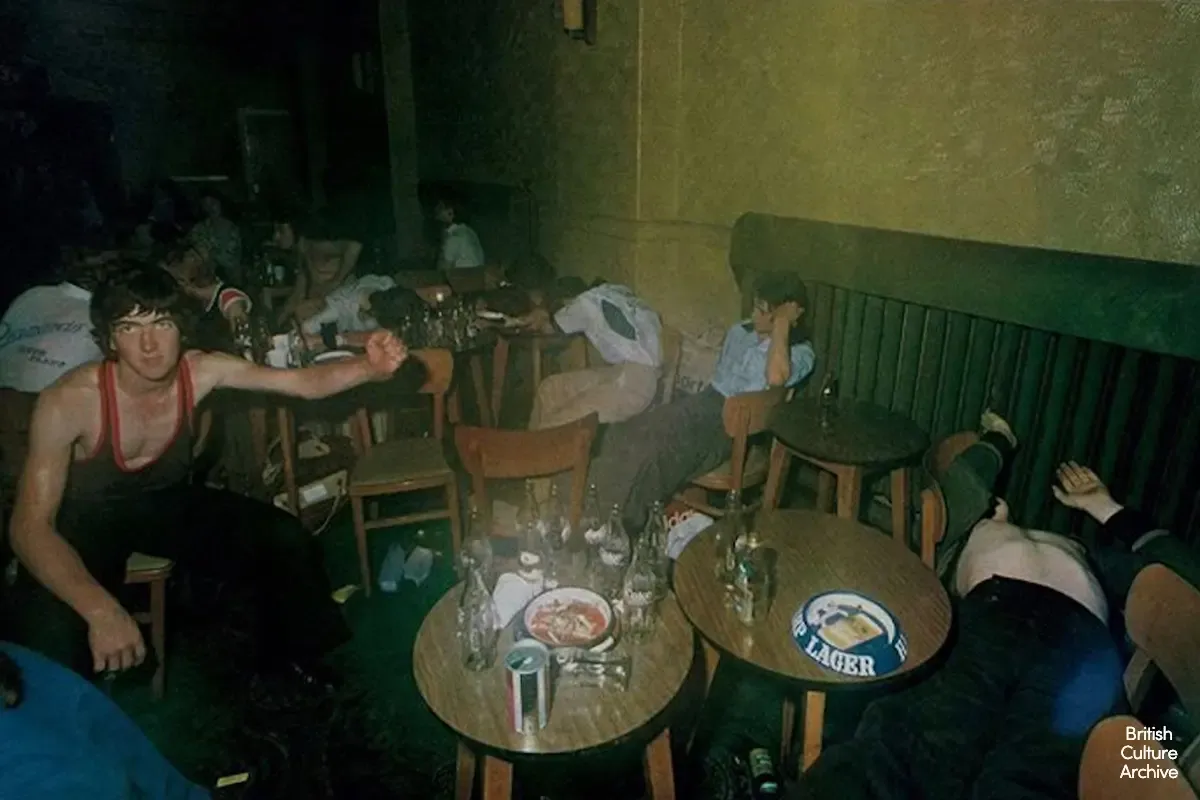
In a move that has since become Northern Soul scripture, Russ broke tradition and decided to play one more record – something not usually part of the 8am trio. Reaching into his record box, he randomly grabbed a 7-inch single for the final, final song. As fate would have it, it was Frank Wilson’s “Do I Love You (Indeed I Do).” The most treasured record of the scene became the Casino’s swan song. When that familiar riff kicked in, the place went ballistic. People danced through their tears. “After that, people just sat down and cried their eyes out. It was absolutely awful,” Russ recalled of the emotionally overwhelming end 43 . In that moment, Northern Soul’s greatest chapter came to a close. At 8AM, Sunday Dec 6, 1981, the lights went up in the Wigan Casino for the last time, revealing a sea of red-eyed youths, many hugging or slumped on that precious dancefloor, not wanting to leave. The DJ bade a final farewell, and gradually the crowd filed out, singing one last chorus of “You’re gonna miss me…” into the cold morning air. They left behind an era.
Within months, the Wigan Casino building was shuttered and preparations made for demolition. In 1982, the grand old structure (once the Empress Ballroom) was torn down – ultimately, the city’s redevelopment plans fell through, and the site sat empty for years, a poignant reminder of what had been. (As Russ bitterly noted, “They never even built the new civic center… The most famous places – the Cavern Club, the Hacienda, Wigan Casino – they’re not there any more.” 73 ) It wasn’t until much later that a shopping mall (the Grand Arcade) was built on the location. But the spirit of Wigan Casino refused to die.
In the immediate aftermath of the Casino’s closure, the Northern Soul scene splintered to new venues – the torch was carried by places like the Stafford Top of the World all-nighters (a.k.a. “Coventry Cats”), Hinckley’s Night Owl, and various smaller soul clubs. The music kept playing, and the faithful kept the faith. Wigan Casino itself quickly entered the realm of legend. Its reputation actually grew in the telling – inspiring books, plays, and films. In 1996, Russ Winstanley co-authored a book “Soul Survivors: The Wigan Casino Story”, documenting the club’s history 74 . In 2003, a stage play “Once Upon a Time in Wigan” debuted to critical acclaim, dramatizing the lives of fictitious young Casino-goers in the ’70s 74 . The play’s success showed how much nostalgia and affection still lingered for those days.
Many of the original DJs from Wigan continued to organize reunion events and soul nights. Throughout the ’80s, ’90s and beyond, there were regular Wigan Casino anniversary reunions (often held in Wigan or Blackpool), where hundreds of old fans – now middle-aged or older – would gather to dance to the same records once again. As one article noted, “the spirit of Wigan Casino persisted, as
Northern Soul enthusiasts continued to gather and celebrate its legacy through reunions and events.” 75 They even often ended such nights with the “3 Before 8,” just like old times.
In 2014, Wigan Council officially acknowledged the club’s significance by unveiling a blue plaque on the site where the Casino’s entrance had stood 76 . Soul legend Gloria Jones (of “Tainted Love” fame) came to Wigan for the first time in decades to help inaugurate the plaque 77 45 – a full circle moment illustrating the Casino’s impact on artists as well.
Meanwhile, the legend of Wigan Casino continued to inspire new generations in unexpected ways. The late 1980s British rave scene drew some parallels with Northern Soul – all-night dancing, communal vibes, specialized music – and indeed some early breakdancers cited Northern Soul dancers as an influence for certain moves (spins and back-drops). In the 2000s, a renewed interest in vintage culture led young people to dig into the history of Northern Soul. The ultimate tribute came in 2014 with the release of the film “Northern Soul,” directed by Elaine Constantine, which brought a fictionalized Wigan Casino and its 1970s scene to life on the big screen. The film gained a cult following, especially among youth who were fascinated by the music and style. Suddenly, there were 17-year-olds learning to dance in baggy trousers and venturing to soul nights. “Northern Soul’s latest karmic go-around involves very young kids from Wigan – aged 15 to 18 – not only dancing to rare vinyl but wearing the full outfit,” wrote journalist (and former Casino attendee) Paul Mason in 2013 78 . He described attending a modern soul night where “today’s 15-year-olds are outnumbered by thousands of oldsters from the 1970s still populating the allnighters… The thrill of the music seemed to smooth out all potential points of friction between the oldsters and the Spotify-generation kids.” 79 80 It was a heartwarming scene of inter-generational “keeping the faith.”
Now, in the 2020s, the legacy of Wigan Casino is secure. The term “Wigan Casino” has become shorthand for an era, a vibe, an institution in British youth culture history. It’s frequently cited in documentaries and articles as the mecca (indeed “the Heart of Soul”) of Northern Soul. The music that was popularized at Wigan continues to grace compilation albums, streaming playlists, and DJ sets worldwide. And significantly, the sense of community it fostered remains alive wherever Northern Soul fans gather – whether at a weekend soul weekender, a retro dance class, or online forums sharing memories.
One of the original Wigan DJs, Richard Searling, reflected on the club’s significance decades later: “Wherever I go, even if it’s somewhere obscure, if I start talking about Northern Soul, there’s only one place that people remember – and that’s Wigan!” 81 . Indeed, Wigan Casino has transcended its bricks-andmortar existence to become almost mythological – a symbol of youthful passion, brilliant music, and the enduring power of subculture.
As we celebrate Wigan Casino’s story – from its humble ballroom origins to its rise as Billboard’s “best disco in the world,” from the all-nighter glory days to the tearful last dance – we are reminded that while buildings may fade, the soulful essence of Wigan Casino lives forever in the hearts of those who experienced its magic 82 83 . The beat goes on every time someone drops the needle on a Northern Soul record and shouts “Keep the faith!” across a dancefloor. New clubs and nights carrying the Northern Soul torch continue to appear, proving that the legacy is not just preserved but actively lived by successive generations.
In Wigan today, if you stroll down the street where it all happened, you can find the Casino Café inside the Grand Arcade shopping center, a modest homage to the old club 76 . Nearby, that blue plaque proudly declares that this was the home of “Wigan Casino – Soul Club 1973–1981.” Often, someone will have left flowers or a handwritten note there, in memory. And inevitably, on the anniversary (23 September), you’ll find a crowd of nostalgists and curious youths alike, gathering to honor the Casino’s opening night. They might even bring a portable turntable and play “Do I Love You (Indeed I Do)” right on the sidewalk. Passersby may not understand what it’s about – but those in the know smile, maybe do a little spin or two-step on the pavement, and feel that familiar flutter in their chest. Because Wigan Casino isn’t just a piece of the past; it’s a feeling – of youthful exuberance, of unity, of dancing like nobody’s watching, all night long.
As the song goes, “Long after tonight is all over,” the legend of Wigan Casino lives on – inspiring soulies young and old to lace up their dance shoes, clap on the off-beat, and keep the faith.