The Catacombs (Wolverhampton) – The Dark Heart of Northern Soul
Early History: From Hidden Basement to Musical Sanctuary
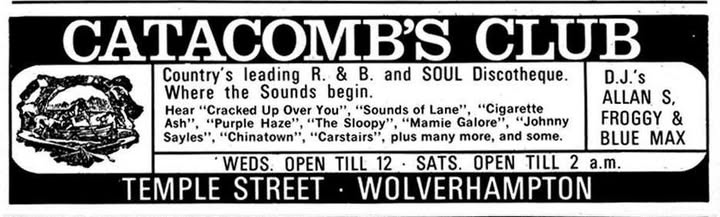
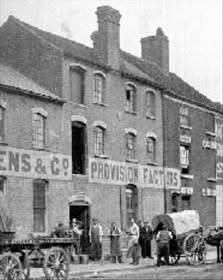
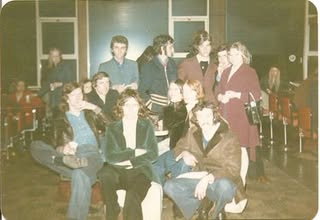
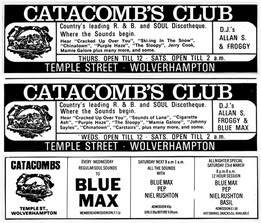
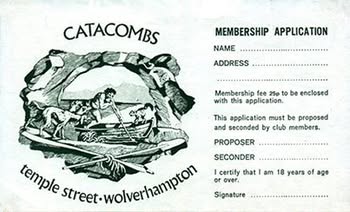
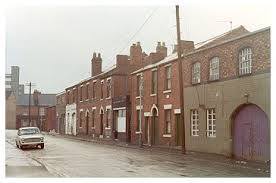
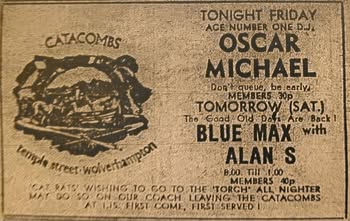
Hidden beneath Temple Street in Wolverhampton, The Catacombs nightclub was one of the true underground birthplaces of Northern Soul. Opened in 1967 in the cellar of a former lead-smelting warehouse, the venue was dark, gritty, and atmospheric—and it was these raw qualities that helped define its identity. Initially known as a venue for jazz, early R&B, and mod-inspired music, The Catacombs quickly developed into a specialist soul club, attracting dancers and crate-diggers from all corners of the Midlands.
As other cities like Manchester and Stoke developed their own scenes, Wolverhampton carved out its place in the culture. Young Mods, inspired by the R&B sounds coming from America, began bringing in rare imports from Detroit, Chicago, and Philadelphia. It was this music, spinning late into the night under arched brick ceilings, that sparked the transformation of The Catacombs into a true Northern Soul mecca.
The club became famous for pushing boundaries and digging deeper than the mainstream venues. It was here that DJs started to play records not found in the charts or radio playlists—music from longforgotten American labels, with driving beats, soaring vocals, and an urgency that matched the dancers’ energy. The Catacombs was part of the vanguard, laying the cultural foundation for what would become known as the Northern Soul movement.
A Unique Dancefloor and Unmatched Atmosphere
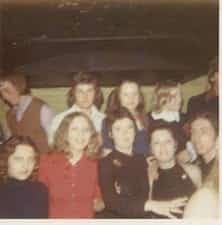
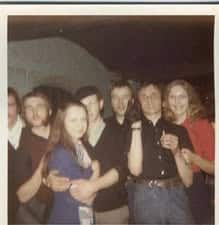
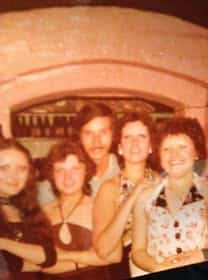
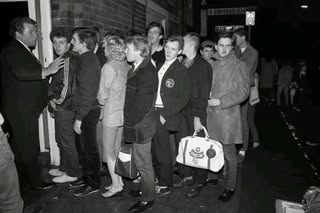
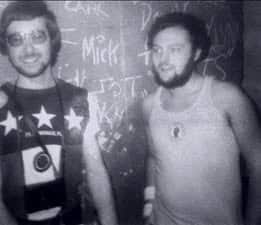
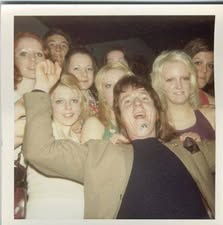
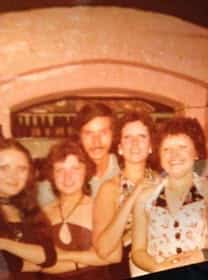
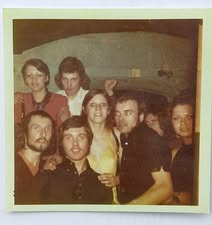
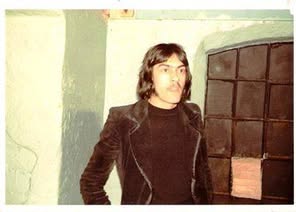
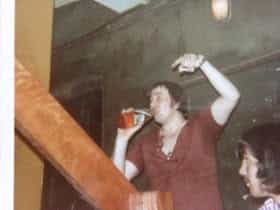
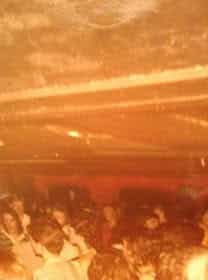
Step inside The Catacombs in the early 1970s, and you’d feel the heartbeat of the underground. The club was accessed via a narrow stairwell, leading into a smoky, low-ceilinged cellar, whose brick arches gave it the feel of a speakeasy. The heat and humidity would rise quickly, especially as the night drew on and the dancers worked themselves into a sweat.
The dancefloor was compact, not suited to the acrobatics of Wigan or Blackpool, but ideal for tight spins, shuffles, and sharp footwork. The intimacy created a shared intensity. You didn’t just see people dance at The Catacombs—you felt every movement, every bassline ripple through the crowd.
“The first time I walked in, I could barely see through the smoke. The music hit me like a train. Everyone was in sync—like they were part of some secret society.” – Dave Potts, attendee, 1971
“It was pure commitment on that floor. No posing. No fluff. Just sweat, soul, and movement. You earned your place there.” – Julie Burns, dancer, Dudley
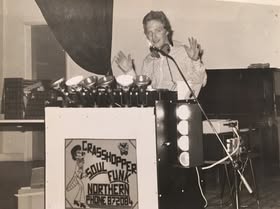
The energy was fed by the music and the mystery. It wasn’t unusual to see dancers approach the DJ booth, desperate to find out what that last track was. But many DJs kept the labels covered— competition was fierce, and secrets were guarded.
The Pioneering DJs of The Catacombs
The club’s reputation was built on the shoulders of a handful of passionate DJs who were obsessed with finding the rarest, most danceable soul 45s. Among them:
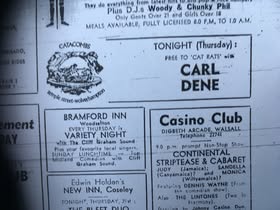
- Carl Dene – A founding figure in the Midlands scene, Dene was renowned for his record collection and helped lay the groundwork for the Northern Soul aesthetic. His sets were tight, relentless, and peppered with exclusives.
- Keith Samuels – Often remembered as one of the earliest DJs to shift the focus toward rare imports. Samuels had a knack for knowing exactly what would keep the crowd moving.
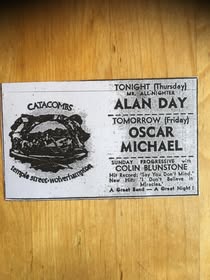
- Alan Day – Played a key role in introducing more melodic soul into the playlists, helping The Catacombs develop a broader range of soul subgenres.
- Rick Tymoscuk – Known for bridging the transition from early jazz/R&B sets to full-blown soul all-nighters. His influence on shaping the venue’s identity was significant.
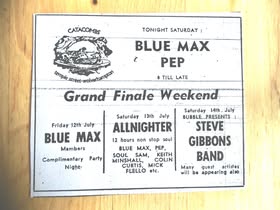
- Ian “Pep” Pereira – A much-loved DJ with an instinct for floor-fillers and a deep knowledge of obscure American labels. Pereira’s sets were frequently described as unpredictable and exciting.
“You never knew what Pep would pull out of that box. One week it was a Motown rarity, the next it was something no one had ever heard. But you danced, every time.” – Mark Lomas, Walsall collector
20 Essential Tracks That Defined The Catacombs Sound
The Catacombs played host to an extraordinary array of tracks, many of which would become Northern Soul anthems. These were the songs that caused dancers to drop drinks, rush the floor, and move like their lives depended on it:
- The Showmen – “The Wrong Girl”
- The Du-Ettes – “Every Beat of My Heart”
- Bobby Womack – “What Is This”
- Saxie Russell – “Psychedelic Soul”
- Dee Clark – “That’s My Girl”
- John Williams & The Tick Tocks – “Do Me Like You Do Me”
- Fred Hughes – “You Can’t Take It Away”
- Victor Knight – “Chinatown”
- Mill Evans – “I’ve Got to Have Your Love”
- Sandy Wynns – “The Touch of Venus”
- Joe Simon – “The Girl’s Alright With Me”
- The Fi-Dels – “Try a Little Harder”
- The Whispers – “Remember Me”
- Jerry Williams – “If You Ask Me (Because I Love You)”
- James Fountain – “Seven Day Lover”
- Gene Chandler – “Nothing Can Stop Me”
- The Ad Libs – “Nothing Worse Than Being Alone”
- Garnet Mimms – “Looking For You”
- Big Al Downing – “Medley of Soul”
- Soul Brothers Inc. – “Pyramid”
Each of these tracks found life on the Catacombs floor before being adopted by the broader scene.
Some were sourced through obscure U.S. dealers; others were passed hand-to-hand between fanatics.
Live Soul Performances That Lit Up the Club
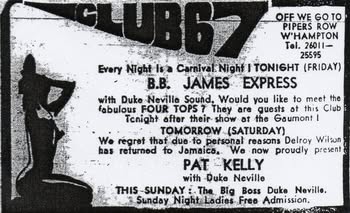
While The Catacombs was primarily a DJ-led venue, it also welcomed several American soul artists, often performing on short UK tours arranged by enthusiastic promoters. Among those remembered to have appeared or been linked to appearances:
- J. Barnes – With his signature track “Real Humdinger,” Barnes brought authenticity and charisma to the packed venue.
- Bobby Paris – Known for “Night Owl,” his live vocals were reportedly spine-tingling in such an intimate space.
- Garnet Mimms – A voice of deep emotional resonance, Mimms performed selections that left the crowd stunned.
- Edwin Starr – A Motown titan who made a special appearance and received a hero’s welcome from the Wolverhampton faithful.
“I saw Bobby Paris sing to 300 people like it was Madison Square Garden. The place was electric, you could feel the walls shake.” – Linda Shaw, attendee
A Style All Its Own: Fashion and Friendship
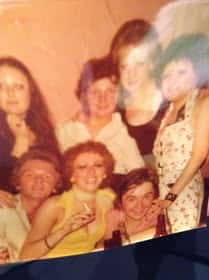
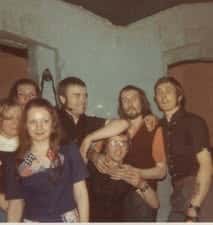
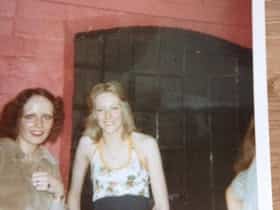
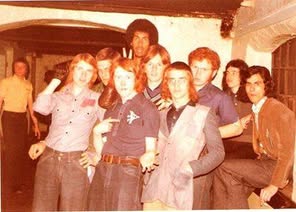
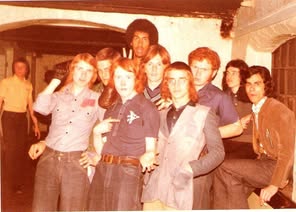
Catacombs regulars dressed like soldiers of soul. Loose-fit trousers, sports vests, handmade patches from previous events, and polished brogues were standard. Yet it was less about fashion statements and more about practicality and tribalism.
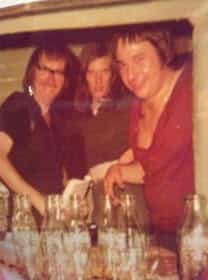
Friendships were forged in the cloakroom, the corridors, the line for tea. Wolverhampton dancers mingled with visitors from Birmingham, Manchester, and even London, each sharing their latest finds, tape swaps, and whispers about upcoming records.
“We weren’t just dancers, we were archivists. Everything we heard, we remembered. And we passed it on.” – Phil Townsend, collector and DJ
Rivalries, Relationships, and Respect
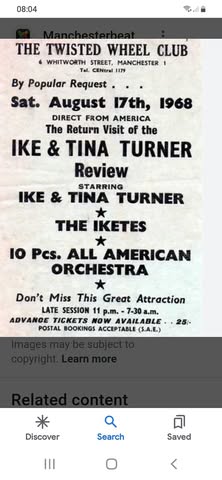
The Catacombs had a complex relationship with other major venues. It pre-dated Wigan Casino and was contemporaneous with The Twisted Wheel and The Torch. While it didn’t match those venues in scale, it surpassed many in atmosphere and exclusivity.
- Twisted Wheel: Shared many early attendees, some of whom switched allegiance once The Catacombs developed its own identity.
- The Golden Torch: A friendly rivalry formed with Stoke, often based around who played certain rare records first.
- Wigan Casino: Many Catacombs regulars transitioned to Wigan when The Cats closed in 1974, bringing their energy and taste with them.
The Closing and the Legacy
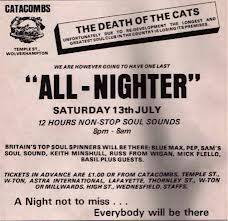
The Catacombs held its final all-nighter in July 1974, a legendary session cut short by police intervention. But its legacy lived on. Many DJs and dancers who started there became mainstays at venues across the UK.
In recent years, a blue plaque has been placed at its Temple Street location, marking it as a heritage site of Northern Soul. Rare compilations like “The Catacombs: Temple Street Wolverhampton 1968–1974” help to preserve its soundtrack.
“That little basement in Wolverhampton changed music in Britain. It made us dig deeper, dance harder, and love soul music forever.” – Adrian Steel, event promoter
Conclusion
The Catacombs was more than a nightclub. It was a proving ground. It was a secret society. It was a church for the converted. From the moment you descended the staircase and heard the first crackle of vinyl, you entered another world—a world defined by rhythm, sweat, discovery, and unity.
Its influence can still be felt in soul nights across Britain, in every box of 45s carried to a club, and in every spin performed on a talc-covered floor. The Catacombs didn’t just play Northern Soul. It helped define it.